The Strait Of Hormuz has remained a critical chokepoint of trade for the last thousand years. This article discusses when, where, how and why that has been the case. It details the historical significance of the strait, the geographical layout that makes it such a difficult terrain feature and the current problems it is facing.
History
The Strait of Hormuz has shaped global trade for centuries. Its importance can be traced back to the Sasanian and early Islamic periods when regional powers recognized that control of Gulf waters meant control of trade between Asia and the Mediterranean. Early commerce flowed through mainland ports such as Old Hormuz near Minab, which served as a key outlet for goods like indigo and textiles moving along the maritime Silk Route.
A major shift occurred in 1301 when the ruling elite relocated to the island of Jarun, later known as Hormuz Island, to escape Mongol pressure. This move transformed Hormuz into a maritime trading power. Despite harsh environmental conditions, the Kingdom of Hormuz became one of the wealthiest ports in the region by controlling trade in horses, spices, silk, and pearls. Its success demonstrated that geographic positioning could outweigh natural resource limitations.
By the 15th century, Hormuz had become a global trading hub, attracting visitors such as Zheng He. European involvement began in the early 16th century when Afonso de Albuquerque captured Hormuz for Portugal. The Portuguese introduced a naval licensing system known as the cartaz, effectively taxing all maritime trade passing through the Strait. This system generated a significant share of Portuguese imperial revenue until 1622, when an alliance between Persia and the British expelled them.
Following this, regional control shifted between Persian and Omani powers, but the Strait remained central to trade. By the 20th century, its importance transitioned from traditional goods to energy resources, marking a new phase in its global role.
Geography
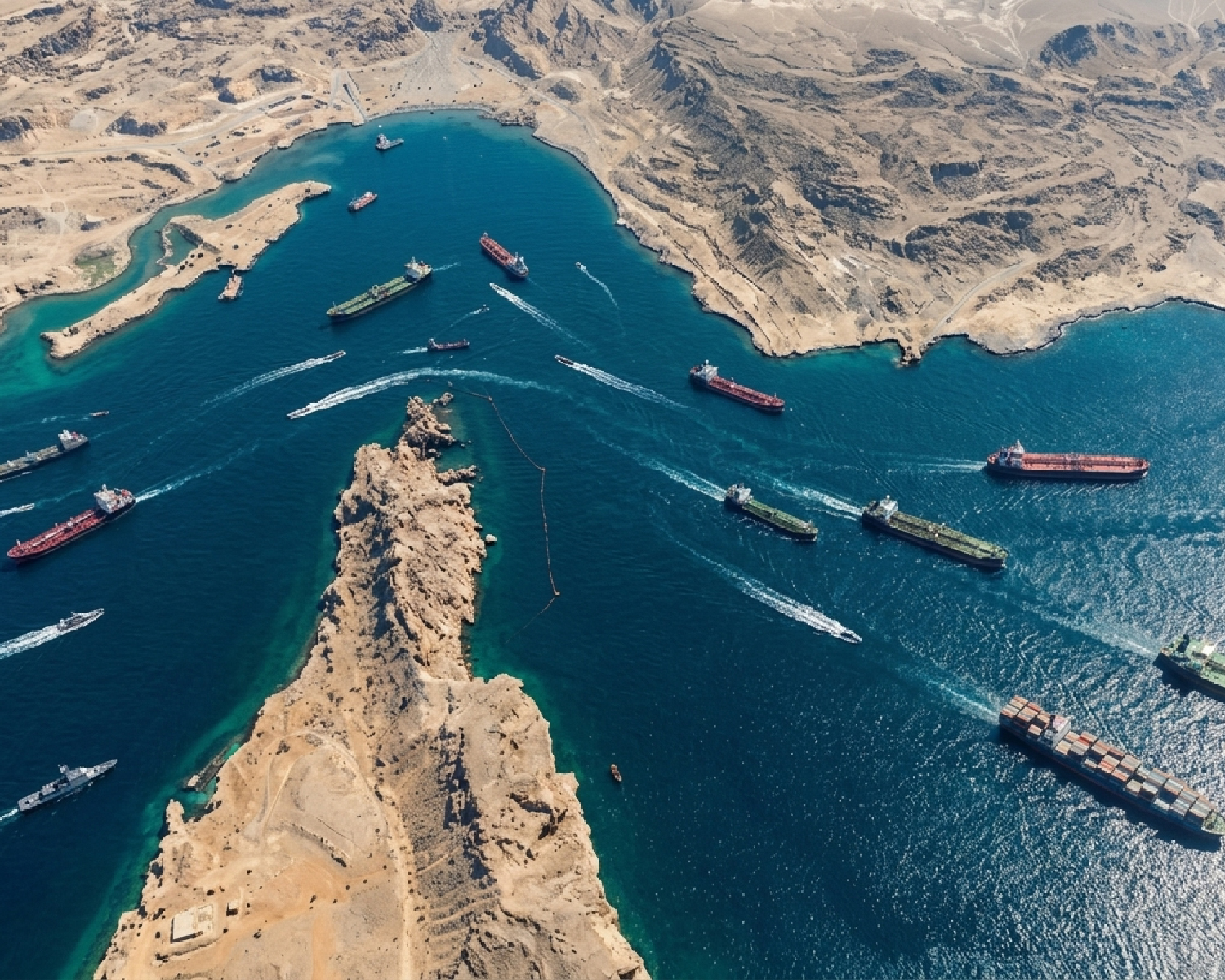
The Strait of Hormuz is a narrow passage connecting the Persian Gulf to the Gulf of Oman and the Arabian Sea. At its narrowest point, it is approximately 33 kilometers wide, with shipping lanes in each direction only a few kilometers across.
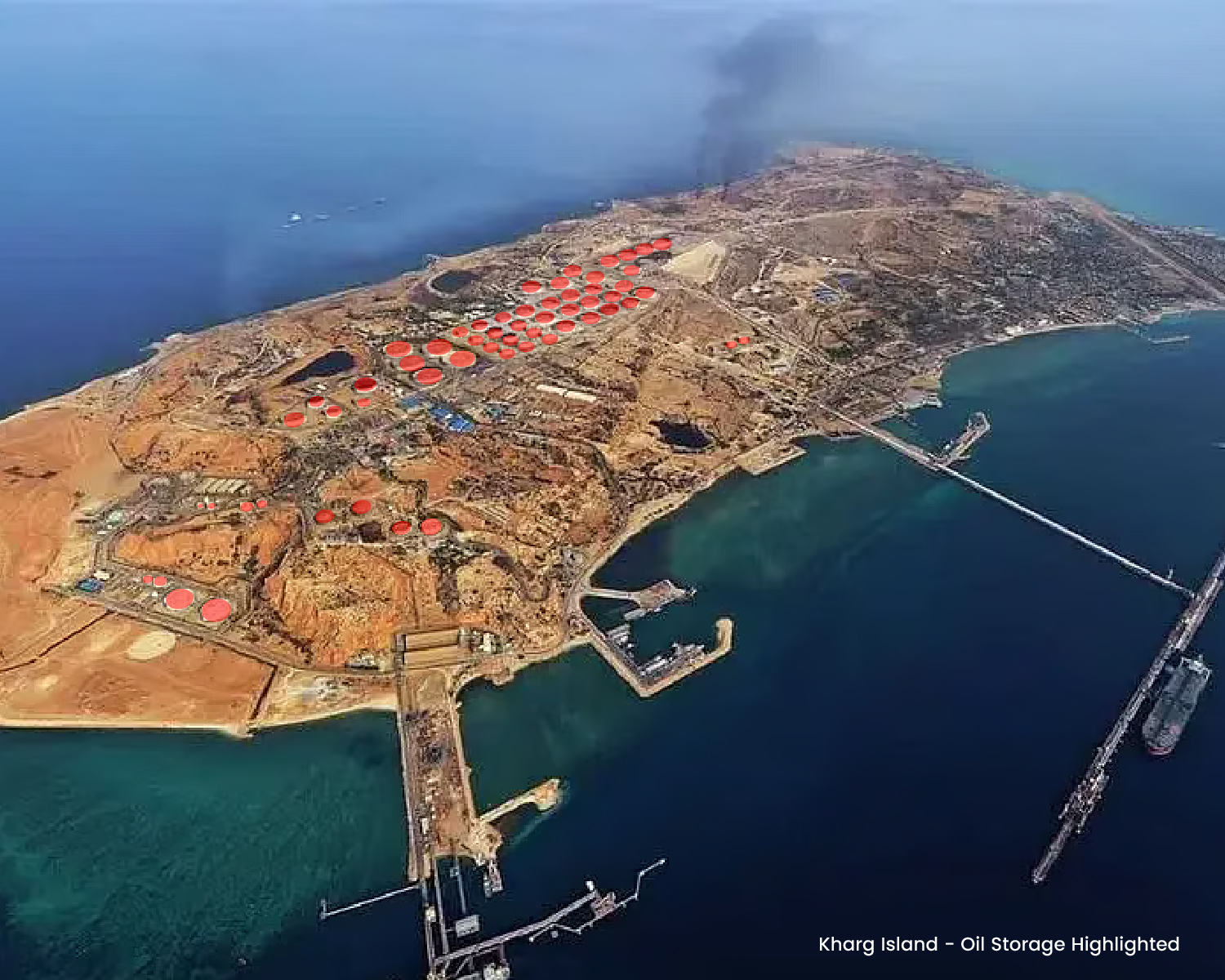
It is bordered by Iran to the north and Oman and the United Arab Emirates to the south. Its geographic position makes it the only sea passage for oil exports from major Gulf producers including Saudi Arabia, Iraq, Kuwait, and Qatar.
This limited width and lack of alternative routes make the Strait highly vulnerable to disruption. Even minor instability can affect global shipping flows, as there are few viable bypass options for large-scale energy transport.
Strategic Importance as an Energy Trade Route
In the modern era, the Strait of Hormuz has become the world’s most critical energy chokepoint. According to widely cited global energy data, roughly 20 percent of the world’s petroleum consumption passes through this corridor daily. In addition, a large share of global liquefied natural gas exports, particularly from Qatar, also transits this route.
The Strait functions as a gateway for energy exports from Gulf economies to Asia, Europe, and beyond. Countries such as China, India, Japan, and South Korea depend heavily on uninterrupted flows through Hormuz for their energy security.
Because of this concentration, the Strait acts as a pressure point in global markets. Any disruption, whether due to conflict, sanctions, or shipping risk, can immediately influence oil prices, insurance premiums, and supply chains. Its importance is not just physical but systemic, linking production regions to global demand centers in real time.
Impact on Trade in terms of Petro Dollar
The rise of oil trade in the 20th century transformed the Strait into a central pillar of the global petro dollar system. Oil exported through Hormuz is largely priced and traded in US dollars, reinforcing the dollar’s position as the dominant global reserve currency.
This system creates a direct link between energy flows and global financial markets. Revenues earned by oil exporting countries are often reinvested into international financial systems, particularly in US assets. As a result, uninterrupted oil movement through Hormuz supports not only energy markets but also global liquidity and currency stability.
Disruptions in the Strait can therefore have dual effects. They can raise oil prices while also influencing currency markets, inflation expectations, and trade balances. The economic impact extends far beyond the region, affecting both energy importing and exporting economies.
Role in Recent US/ Israel - Iran War
Recent tensions involving the United States, Israel, and Iran have once again highlighted the strategic sensitivity of the Strait. In 2026, escalating conflict and military actions in the region triggered a sharp increase in perceived risk around Hormuz.
Rather than a full physical blockade, the disruption emerged through financial and commercial channels. Insurance providers classified the region as high risk, leading to a surge in war risk premiums for shipping companies. This significantly increased the cost of transporting oil and goods through the Strait, discouraging traffic without direct military closure.
This development demonstrated a modern form of economic pressure where trade can be slowed or redirected through financial mechanisms rather than direct confrontation. The Strait effectively became a point of global economic vulnerability, where market reactions amplified the impact of geopolitical tension.
The situation reinforced a long-standing reality. Control or instability in the Strait of Hormuz has consequences that extend far beyond the region. It remains one of the most sensitive indicators of global economic and geopolitical stability.