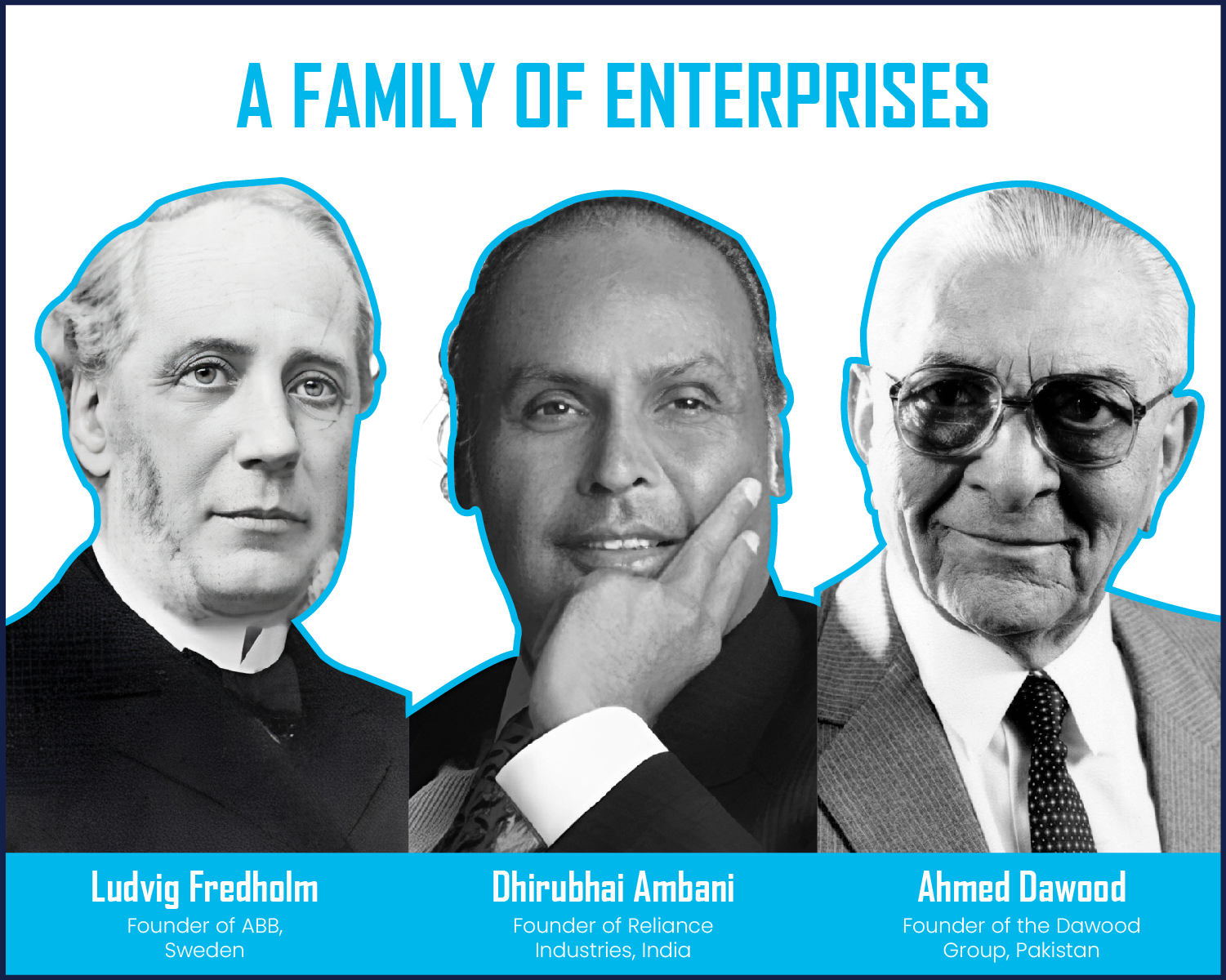

Effective succession planning is the key to ensuring continuity, stability, and long-term success in any organization. By identifying, developing, and preparing future leaders, businesses can mitigate the risks associated with leadership transitions and position themselves for continued growth and prosperity.
A Crucial Step for Family-Owned Businesses
Many family-owned businesses lack a well-defined succession plan, leaving them vulnerable to conflicts, legal disputes, and even business dissolution. Family business owners often find themselves deeply entrenched in daily operations, neglecting to consider the future of their business and its intersection with their family’s interests.
The Importance of Early Planning
For family business owners anticipating the involvement of their children in the venture, it is essential to initiate succession planning as early as possible. A minimum of ten years is recommended to navigate the complexities of estate planning, taxes, liability, ownership stakes, and voting rights. This extended planning period enables the next generation to develop essential management skills and allows the current owner to mentor and assess their capabilities.
Identifying the Right Successor
Determining which child or children will assume leadership roles is a critical aspect of succession planning. This decision has far-reaching implications for the business, its financial stability, and the family’s legacy. It is crucial to objectively assess each child’s experience, expertise, and aptitude for leadership, rather than making assumptions based on family dynamics.
Empowering the Next Generation
Once the succession plan is in place, it is essential to grant the new owner(s) the autonomy to lead the business. The senior generation must resist the temptation to micromanage and instead allow the next generation to learn from their mistakes and implement their own vision. This transition requires trust, open communication, and a willingness to adapt to change.
By prioritizing succession planning, family-owned businesses can ensure a seamless transition, minimize conflicts, and secure their legacy for generations to come.
Effective succession planning:
- Identifies key positions and the skills required to fill them
- Develops a pool of potential successors through training, mentoring, and coaching
- Evaluates and assesses the readiness of potential successors
- Creates a clear plan for transitioning leadership roles
- Ensures a smooth handover of responsibilities and knowledge
By investing in succession planning, organizations can:
- Reduce the risk of leadership vacancies and disruptions
- Retain and develop top talent
- Ensure continuity and stability
- Drive business growth and success