Pakistan is shifting toward private-sector-led growth and renewed investment. The real challenge is converting capital and investor interest into productive economic capacity.
By Boardroom Research Desk
Pakistan’s economic conversation is increasingly moving away from emergency stabilisation and toward a more difficult objective: creating sustainable, private-sector-led growth.
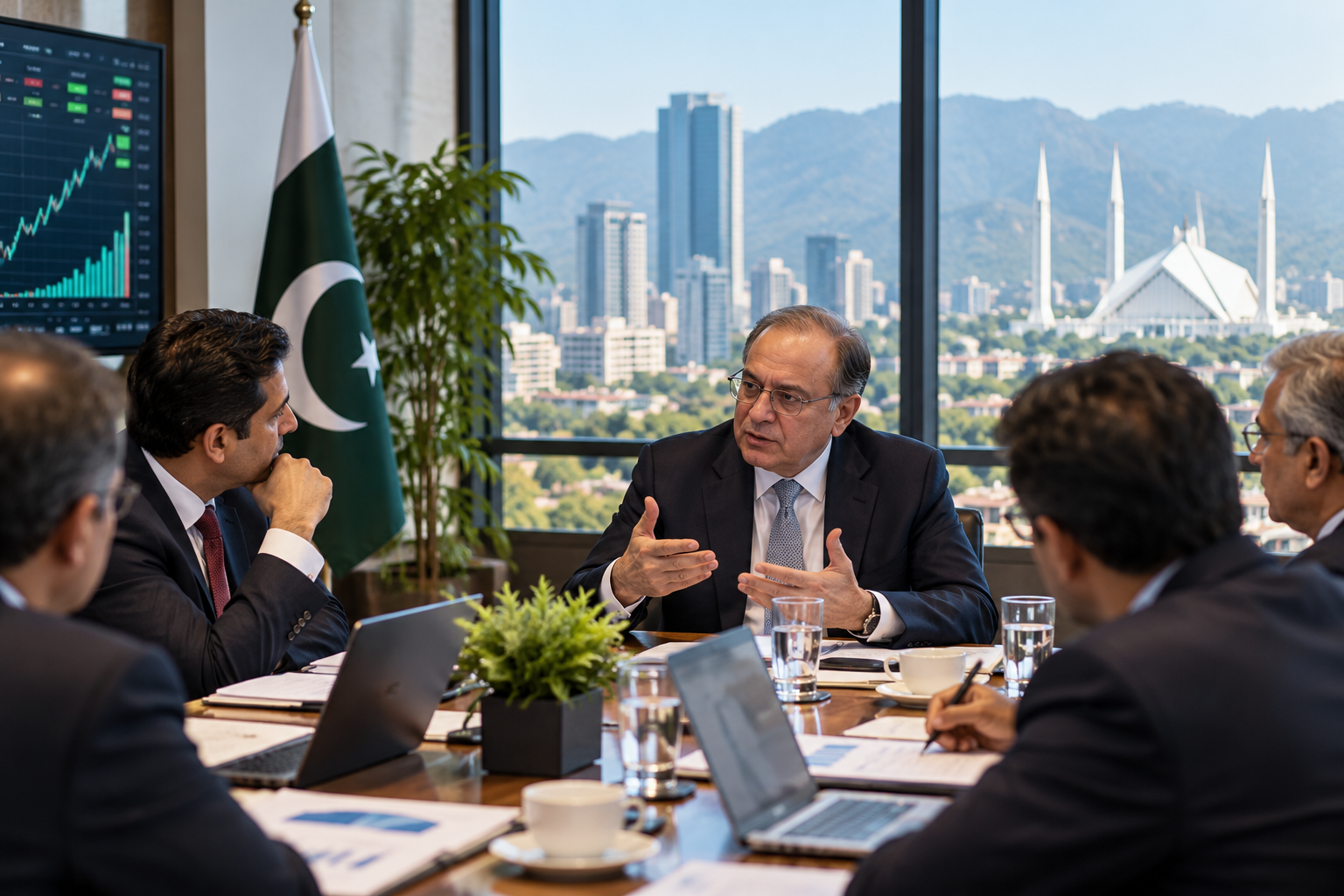
In recent meetings, Finance Minister Muhammad Aurangzeb reiterated that investment, business expansion and economic growth must increasingly be led by the private sector, while government focuses on creating a conducive policy and investment environment. Discussions with the World Bank on October 2 also covered growth, jobs, fiscal management, capital-market development, trade, investment and institutional reforms.
The change in language is important.
But policy ambition is not the same thing as economic transformation.
The Investment Signal Is Improving
Pakistan’s net foreign direct investment reached $316 million in August 2026, the highest monthly level in two years, according to data cited by the Finance Ministry’s adviser.
The improvement was supported by stronger inflows and lower outflows, with China, Canada and the UAE among the major contributors.
The figure is encouraging, but one month should not be treated as a structural trend.
The bigger question is what kind of investment Pakistan attracts.
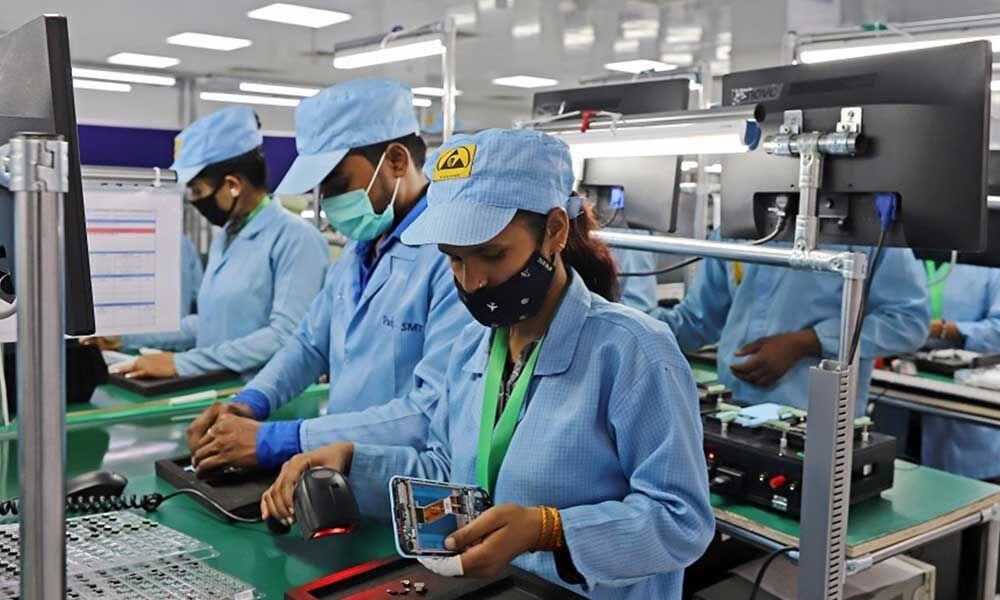
Capital that simply changes ownership is different from capital that creates factories, technology, exports, jobs and new supply chains.
Foreign Investor Interest Is Returning
Finance Minister Muhammad Aurangzeb recently said there is growing interest from Turkish investors in electricity-distribution privatisation, alongside interest from Saudi and other international investors.
He also emphasised that foreign investment takes time to materialise and depends on policy continuity, effective facilitation and a conducive investment ecosystem.
That is perhaps the most important part of the story.
Investor interest is only the first step.
Pakistan needs to convert interest into financial commitments, financial commitments into projects, and projects into productive capacity.
The Private Sector Has to Become the Growth Engine
For years, Pakistan’s economic debate has been heavily centred on government spending, external financing and macroeconomic management.
Those remain important.
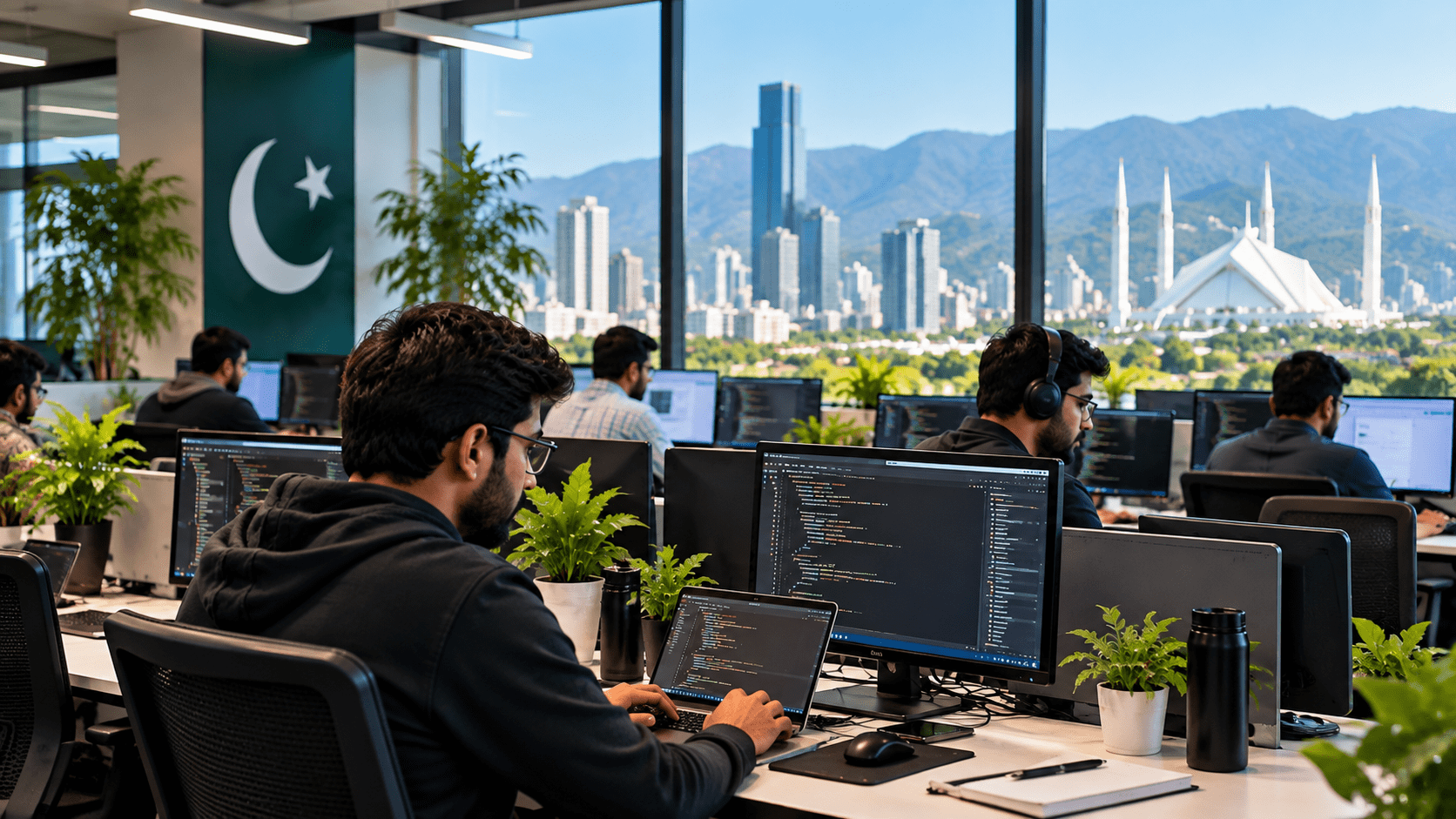
But a sustainable growth model ultimately requires businesses to invest.
Businesses create jobs.
Businesses develop products.
Businesses build supply chains.
Businesses export.
Businesses adopt technology.
Businesses take commercial risks.
Businesses create productivity.
That is why the quality of Pakistan’s private sector may ultimately matter more than the number of policy announcements.
The Capital-to-Capability Gap
Pakistan is also expanding financing opportunities.
But access to capital is not enough.
A company can receive financing and still lack:
• Professional management
• Financial controls
• Technology
• Skilled people
• Market access
• Export capability
• Governance
• Strategic execution
The real challenge is therefore turning capital into capability.
This is particularly important for SMEs.
The next generation of Pakistani businesses must become more institutional, less founder-dependent and more capable of competing beyond their immediate markets.
The Capital Market Opportunity
The government is simultaneously discussing capital-market development, housing, investment and private-sector expansion.
That creates an opportunity to deepen Pakistan’s sources of capital.
The country needs more than bank lending.
It needs:
• Equity capital
• Corporate debt
• REITs
• Private equity
• Venture capital
• Pension and institutional investment
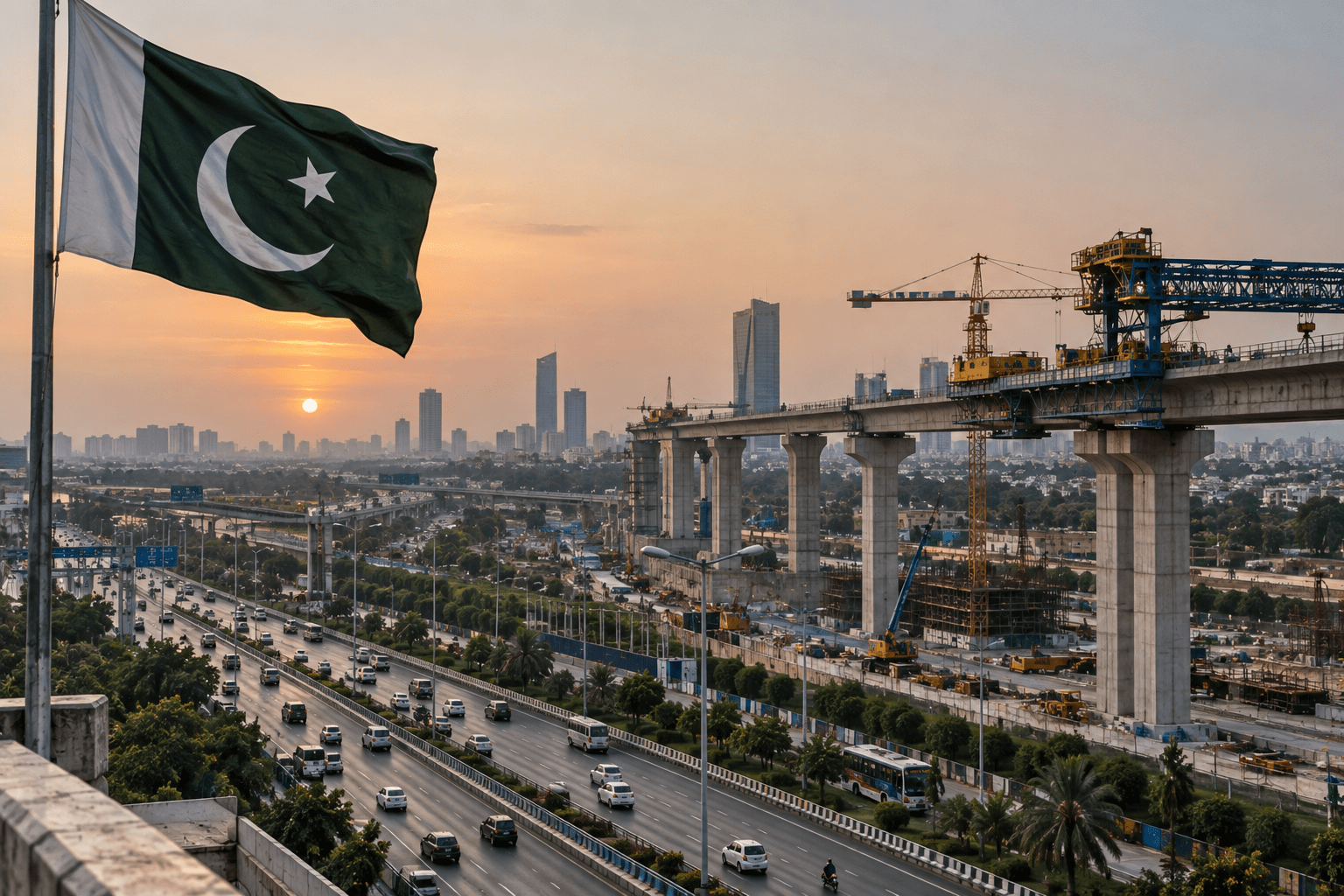
• Long-term infrastructure finance
A diversified capital system can give businesses different financing options at different stages of growth.
The Real Test
Pakistan should measure the success of its investment agenda through outcomes.
How many projects reached financial close?
How many jobs were created?
How much export capacity was added?
How much technology was transferred?
How many Pakistani suppliers entered global value chains?
How much private capital was mobilised alongside public capital?
These are more meaningful indicators than simply counting investment announcements.
Boardroom View
Pakistan appears to be entering a more important phase of its economic story.
Stabilisation creates the platform.
But businesses have to create the growth.
The opportunity now is to build an economy where domestic and international capital flows into productive enterprises, infrastructure, technology, exports and human capital.
The objective should not simply be to attract investment.
The objective should be to make investment productive.