The Gulf has long been Pakistan’s most reliable economic anchor, absorbing millions of its skilled and unskilled workforce and generating a remittance lifeline that has sustained households, businesses, and national reserves for decades. In the new geopolitical landscape, today's gulf region is moving into a new economic era, one defined by digitization, nationalization, and an investment destination. Across Saudi Arabia, the UAE, and the broader GCC, immigration and labour systems are undergoing a deep structural reset. Most Pakistanis interpret this repositioning as “crackdowns” or measures aimed at a particular nationality. In reality, these are the components of a sweeping governance transformation designed to reshape the region’s labour composition and elevate the standards of workforce participation. This shift is not temporary. It is permanent, strategic, and economically rational for Gulf's long-term ambitions and Pakistan must now adjust.
The Gulf has long been Pakistan’s most reliable economic anchor, absorbing millions of its skilled and unskilled workforce and generating a remittance lifeline that has sustained households, businesses, and national reserves for decades. In the new geopolitical landscape, today's gulf region is moving into a new economic era, one defined by digitization, nationalization, and an investment destination. Across Saudi Arabia, the UAE, and the broader GCC, immigration and labour systems are undergoing a deep structural reset. Most Pakistanis interpret this repositioning as “crackdowns” or measures aimed at a particular nationality. In reality, these are the components of a sweeping governance transformation designed to reshape the region’s labour composition and elevate the standards of workforce participation. This shift is not temporary. It is permanent, strategic, and economically rational for Gulf's long-term ambitions and Pakistan must now adjust.
The Gulf once required labour on any terms is now building labour markets calibrated for specialization, certification, and controlled mobility. GCC’s new labour environment is shaped by two overarching imperatives: economic transformation and governance modernization. Both are central to attracting high-value industries and deepening global investment. National strategies such as Saudi Vision 2030 and the UAE’s knowledge-economy agenda seek to reduce dependence on low-skill foreign labour while raising productivity, formalizing compliance, and accelerating the shift toward high-growth, high-tech sectors. The region wants skilled, documented, and traceable workers; predictable labour mobility; and compliance-driven participation that aligns with its modern economic architecture. Countries like Pakistan; unable to modernize their labour-export models face sharper friction in this new environment.
A parallel driver of the shift is the region’s desire for reputational alignment. Vision 2030, for example, is not only an economic agenda; It is also a global positioning strategy that seeks to transform the image of the Gulf from one associated with regional volatility into a modern, competitive, and globally attractive destination for tourism, talent, and investment. This calls for higher standards of public safety, urban order, and regulatory consistency. Enforcement has therefore become a form of brand protection, built not on symbolism but on strict regulatory compliance.
These ambitions are supported by Gulf’s upgraded enforcement ecosystem. Digitization has replaced manual oversight. Biometric systems have replaced paper trails. Cross-agency data platforms have replaced fragmented bureaucratic review. Where violations of visa conditions were once difficult to detect, today’s unified identity systems and real-time labour-market monitoring tools allow overstays, misuse of entry permits, and sponsorship breaches to be identified almost instantly. The informal workarounds that Pakistani migrants once relied on; cash labour, temporary undocumented employment, switching employers without proper authorization; are no longer feasible within a digital governance structure that scans, verifies, and cross-checks every data point. It is important to understand that the system does not target Pakistanis, it targets non-compliance. Unfortunately, due to scale and weaknesses in domestic labour governance, Pakistanis are disproportionately exposed.
More than three million Pakistanis reside in GCC, but the structure of Pakistan’s outbound labour force collides with the Gulf’s modern governance requirements. First, the region’s demand has shifted upward from traditional manual roles to certified technicians, hospitality specialists, logistics professionals, fintech operators, and construction technologists. It is important to note that more than 60% of Pakistani migrants remain in low-skill categories and their documentation ecosystem is inconsistent. Verification gaps, weak recruitment regulation, outdated technical certification, and a reliance on visit visas for job-hunting clash with the Gulf’s digital enforcement architecture. The elimination of informal pathways that once allowed Pakistanis to secure employment after arrival is now impossible under real-time identity tracking and labour-market surveillance. Gulf wants compliant labour on structured terms, and Pakistan’s labour pipeline is not yet aligned with that expectation.
For Pakistanis, the path forward requires modernization, not negotiation. Much like fiscal reforms undertaken with international institutions, GCC’s labour reforms represent a non-negotiable governance standard for any country seeking to participate in its labour markets. Pakistan must reform its recruitment ecosystem by ensuring verifiable, biometric-linked documentation, standardized training, and strict regulatory enforcement to eliminate the misuse of visit visas. It must pivot from exporting labour to exporting capability by developing certified electricians, hospitality operators, digital service professionals, mechanics, and specialized technicians. It must engage the GCC through predictable, structured diplomacy, building sector-specific labour agreements, certified skills pipelines, mutual verification systems, and transparent communication channels that demonstrate Pakistan’s commitment to compliance and quality. Nostalgia for past arrangements cannot shape present diplomacy; the region operates under a new economic logic that rewards skill, structure, and regulatory discipline.
For boardrooms, the implications are equally significant. Talent mobility has become a governance issue rather than an HR constraint. Project staffing will increasingly require longer visa timelines, higher documentation standards, and costlier compliance processes. Companies working across the GCC must recognize that compliance failures now carry real brand, financial, and operational risks within a digital enforcement architecture that identifies inconsistencies instantly. Business models dependent on low-cost labour are losing viability, and firms must integrate automation, technology, and productivity tools to adapt. The convergence of GCC national modernization agendas with a sophisticated enforcement ecosystem creates a new geopolitical governance standard. Boards must treat immigration policy as a strategic variable, embedding compliance, workforce planning, and upskilling into their core risk frameworks.
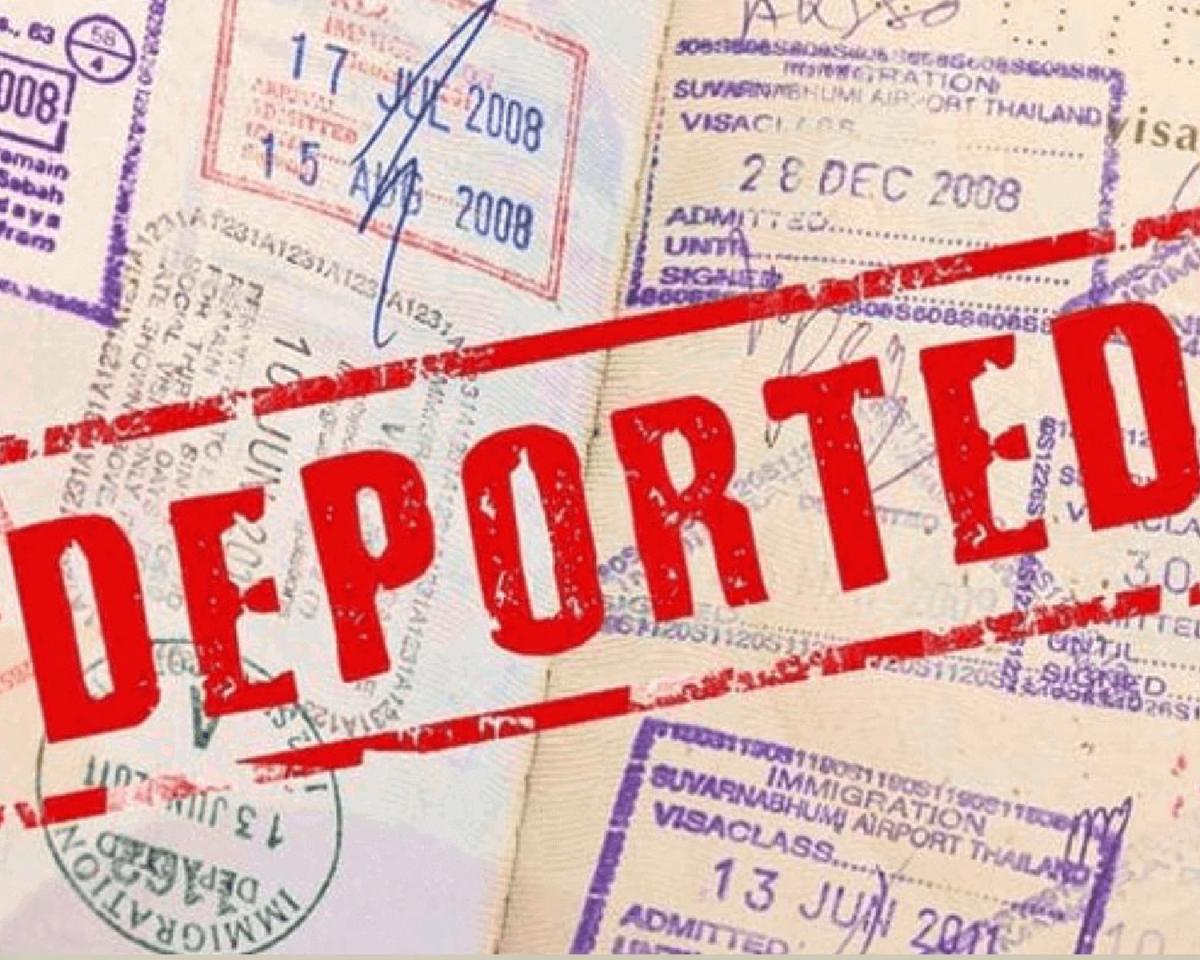
The bottom line is clear: the Gulf is not deporting Pakistanis. The Gulf is redesigning its labour markets. Pakistan and its institutions must redesign themselves in response. The countries that thrive in the new GCC economy will be those that evolve, skill-up, document-up, and align with a region that has moved decisively into its next chapter. The question is no longer why the Gulf is changing. The question is whether Pakistan will match the pace.