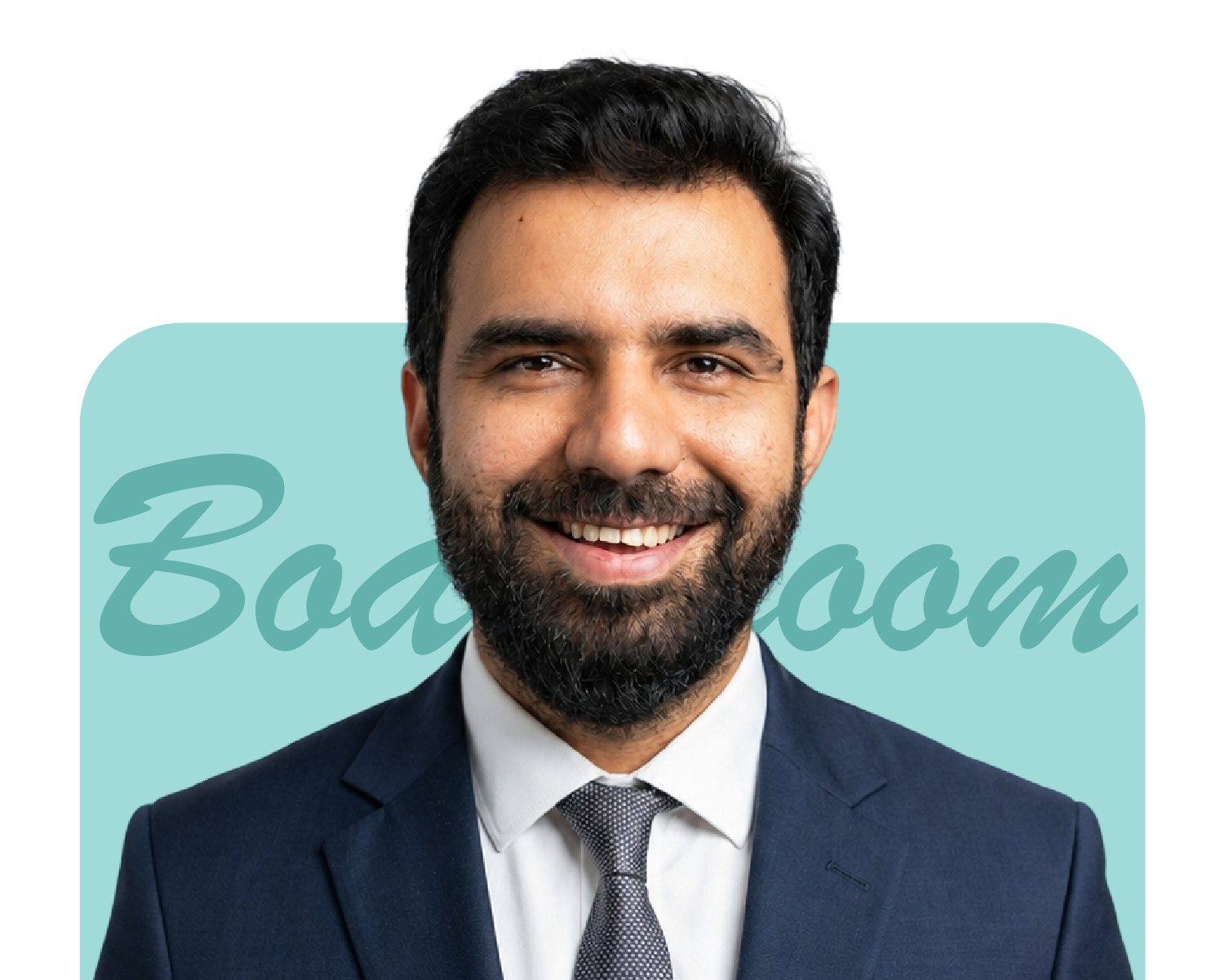

The interview with TalentBeacon presents a grounded and systemic view of Pakistan’s evolving talent ecosystem, articulated through the lens of its founder, Ayesha Shahbaz. What emerges is not merely a recruitment narrative, but a deliberate attempt to reconfigure how early career talent is discovered, developed, and deployed. The conversation underscores a structural disconnect between academia and industry, highlighting the absence of experiential learning pathways and the inefficiencies this creates for both employers and young professionals.
At its core, TalentBeacon positions itself as an ecosystem enabler rather than a transactional hiring intermediary. By integrating structured skill development, practical exposure, and employer alignment, the platform seeks to address deep-rooted inefficiencies in workforce readiness, particularly for undergraduates and early-stage professionals. The emphasis on SMEs, flexible work opportunities, and Gen Z expectations reflects a nuanced understanding of where Pakistan’s employment landscape is headed.
Boardroom: What market gap did you identify in Pakistan’s talent ecosystem, and how did that shape your journey?
Ayesha Shahbaz: During my time in university, I made a conscious effort to move beyond academics and pursue real-world experience. Through diverse undergraduate experiences, especially while working with AIESEC and the Placement Centre of my university, I interacted with various students and employers, gaining firsthand insight into the talent and opportunity landscape.
I observed a clear disconnect between academia and industry. On one hand, organizations were struggling to find workforce-ready talent, while on the other, students were not being provided with enough practical, real-world opportunities to build professional skills.
These experiences revealed a systemic gap in structured career guidance and experiential learning pathways, which eventually led to the foundation of The TalentBeacon.
Boardroom: You emphasize bridging young talent with startups and businesses. Why do you consider this an unaddressed area?
Ayesha Shahbaz: This gap is deeply rooted in my own experience and observations across multiple universities, both public and private. A common issue among students is the lack of part-time, flexible, and meaningful opportunities during their academic years.
The intent is not to build a conventional recruitment agency. Recruitment is merely one component. The broader vision is to create a structured ecosystem, particularly a digital platform, that caters to undergraduates and early career professionals. This platform focuses on enabling access to internships, part-time roles, and early-stage career opportunities, allowing students to build practical exposure alongside their education.
Boardroom: From a recruiter’s perspective, what key elements do you evaluate while screening candidates?
Ayesha Shahbaz: Our approach varies depending on the category of candidates we are targeting, primarily undergraduates for internships and early career professionals with one to three years of experience. The process begins with understanding the client in depth, including their business model, culture, and expectations. Based on that, we define clear criteria for candidate selection. For creative roles, portfolios are more critical than CVs. For managerial or leadership roles, we assess communication skills, initiative, and leadership potential during initial interactions. For technical roles, even if the recruiter is non-technical, we collaborate with technical experts to define key competencies. Additionally, we often assign practical tasks before onboarding to ensure alignment with the company’s expectations. The goal is to provide clients with not just shortlisted candidates, but detailed qualitative feedback to support their final decision.
Boardroom: What are the most common deficiencies you observe in early career professionals?
Ayesha Shahbaz: There are two distinct patterns. Students from less privileged or lower-tier institutions often lack soft skills such as communication, presentation, and professional conduct. On the other hand, students from elite institutions sometimes demonstrate a lack of commitment and consistency.
Another major gap is the absence of practical exposure. Many candidates claim to possess skills but lack portfolios or tangible proof of their work. In creative and technical fields especially, practical application and demonstrable output are critical. Without that, theoretical knowledge holds limited value.
Boardroom: Tell us about your Career Accelerator Program and how it addresses these challenges?
Ayesha Shahbaz: The Career Accelerator Program is designed as a structured intervention targeting students from their first to sixth semester. The objective is to systematically build their career readiness over time. The program includes structured soft skills training covering CV building, LinkedIn optimization, interview preparation, and networking. It also facilitates cross-university interaction, enabling students to expand their professional networks beyond their own institutions.
A key component is practical exposure through internships with startups and SMEs. We have collaborated with multiple organizations to provide short-term, flexible internship opportunities. The idea is to integrate learning with real-world application, ensuring students graduate with both clarity and experience.
Boardroom: How do you address the talent acquisition challenges faced by SMEs?
Ayesha Shahbaz: SMEs operate under significant constraints, including financial pressures, regulatory challenges, and operational limitations. At the same time, they require capable talent to grow. Our approach is to develop a parallel talent pipeline consisting of undergraduates and early career professionals who are trained, mentored, and gradually exposed to industry environments. This creates a more accessible and cost-effective talent pool for SMEs. By aligning student development with industry needs, we attempt to solve the classic demand and supply mismatch. It is essentially about building an ecosystem where both sides evolve together rather than operating in isolation.
Boardroom: How can academia and industry build a more meaningful relationship in Pakistan?
Ayesha Shahbaz: The current model is heavily skewed towards theoretical learning, with limited emphasis on experiential exposure. While internships are often mandatory, they are typically introduced too late and lack depth. Students should be encouraged to engage in internships, side projects, and practical experiences from the early semesters. Institutions need to overcome their resistance to flexible opportunities and recognize that real-world exposure enhances, rather than distracts from, academic learning.
At the same time, industry must take a more proactive role in providing structured learning opportunities rather than expecting job-ready candidates without investing in their development.
Boardroom: What is your perspective on job switching among early career professionals?
Ayesha Shahbaz: While it is natural to seek better opportunities, excessive job hopping can be counterproductive. If individuals switch roles too frequently, they fail to develop depth, understanding, and tangible outcomes from their experiences.
It is important for young professionals to spend sufficient time in a role to truly understand processes, challenges, and organizational dynamics. Career growth should be driven by learning and value creation, not just short-term gains.
Boardroom: How do you view workforce expectations, particularly among Gen Z?
Ayesha Shahbaz: Gen Z is fundamentally different in terms of expectations. They are highly purpose-driven and value flexibility, autonomy, and meaningful work. They are less inclined to accept rigid structures or roles that lack clarity and impact.
For employers, this means shifting from task-based roles to ownership-driven responsibilities. Trust, empowerment, and a clear sense of purpose significantly improve engagement and retention among this generation.
Boardroom: What is your long-term vision for Talent Beacon and its impact on Pakistan’s workforce?
Ayesha Shahbaz: The long-term vision is to build a comprehensive digital platform that serves as a central hub for students, fresh graduates, and early career professionals. This platform will provide access to opportunities, mentorship, and experiential learning pathways.
Beyond recruitment, the focus is on ecosystem development. By integrating education, skill development, and employment pathways, the aim is to create a more efficient and transparent talent market in Pakistan. Ultimately, the goal is to enable young individuals to make informed career decisions and explore their true potential, while simultaneously helping organizations access well-prepared and purpose-driven talent.