In a thought-provoking and timely article, the writer, Abdullah Shamsi examines the root causes of Pakistan’s energy crisis, proposing innovative solutions and challenging policymakers to rethink their approach to this pressing national issue.
It’s been a long time coming, but here I am, writing my first column for this platform. As a keen observer of financial matters and the insights they offer, I’ve spent a fair amount of time untangling the complexities of Pakistan’s financial landscape. Yet, when it comes to putting these thoughts into words, it feels almost overwhelming. For we are not merely crunching numbers or interpreting data—we are witnessing the unravelling of a nation’s promise, now mired in an era of uncertainty, fear, and far too many unanswered questions.
It’s been said countless times, yet it feels like we haven’t truly grasped it: Pakistan’s energy circular debt crisis isn’t just about numbers on balance sheets; it’s a reflection of a deeply fractured system. Circular debt in the energy sector, currently exceeding PKR 2.1 trillion (Ministry of Energy, 2024), is a critical issue undermining Pakistan’s economic stability, turning into an economic sinkhole that devours resources, dreams, and futures. This isn’t new, but the frustration has never felt this visceral.
Why now? What makes this crisis so uniquely devastating that it weighs on the collective psyche of the nation?
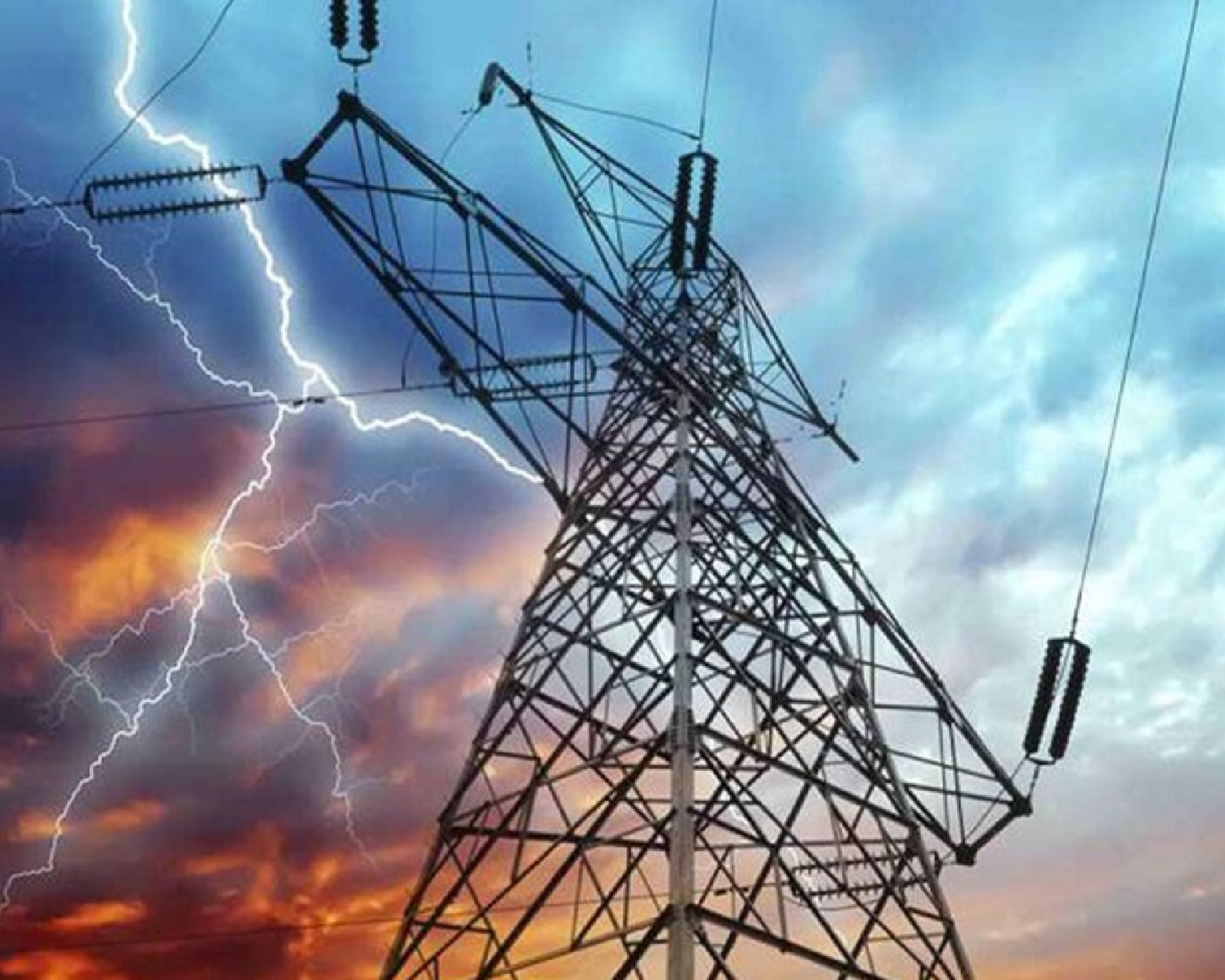
The mechanics of circular debt are simple enough. It’s a chain reaction: unpaid electricity bills lead to cash flow shortages, which then cascade across power producers and fuel suppliers. Yet, the simplicity of the problem hides its horrifying complexity. In 2022, Pakistan’s power distribution companies (DISCOs) reported transmission and distribution losses of 17.1%—far above the global benchmark of 6–8% (World Bank, 2022). These are more than inefficiencies; they are systemic betrayals, patterns of negligence baked into the infrastructure of the country.
When the engines of progress stall under the weight of broken systems, even survival feels like a distant dream.
Of course, it isn’t just inefficiencies. Subsidies—those lifeboats meant to keep electricity affordable—have only deepened the crisis. Government-set tariffs are 15–20% lower than actual production costs (Economic Survey of Pakistan, 2023). While this approach might seem compassionate on the surface, it has led to chronic underfunding, forcing the state to funnel 8% of its GDP into energy subsidies (IMF, 2022). This is in a country already struggling to provide even the barest essentials to its people.
But let’s talk about people. Numbers don’t capture the anguish of endless power outages, factories grinding to a halt, or families choosing between food and electricity bills.
In 2023, electricity prices spiked by 30% (NEPRA, 2023), sparking protests and despair. More and more people are seeking a way out. They’re leaving—whether skilled professionals or labourers—risking everything to escape a system that seems determined to fail them.
And still, hope lingers. Countries like India, once plagued by similar issues, show us that change is possible. The Ujwal DISCOM Assurance Yojana (UDAY), which slashed distribution losses from 20.7% in 2015 to 17% in 2022 (IEA, 2022), is proof that reforms—when applied consistently—work. Technological solutions like smart meters, piloted in Punjab, have reduced theft and improved recoveries by 20% (NEPRA, 2023). Renewable energy could be a game-changer, with solar and wind now cheaper than fossil fuels (IRENA, 2023).
Yet none of these solutions will matter without the will to implement them. Political interference, weak institutions, and a crippling lack of accountability have sabotaged every well-intentioned reform. This isn’t just about fixing the system—it’s about confronting the rot within.
The house is burning, and the flames are rising. But it hasn’t collapsed yet. There’s still time to act, to rebuild, to ensure that the system works not for a select few but for the millions who keep this country afloat. Circular debt isn’t just an economic crisis; it’s a call to rethink how we govern, how we prioritize, and how we value the lives of our citizens.