
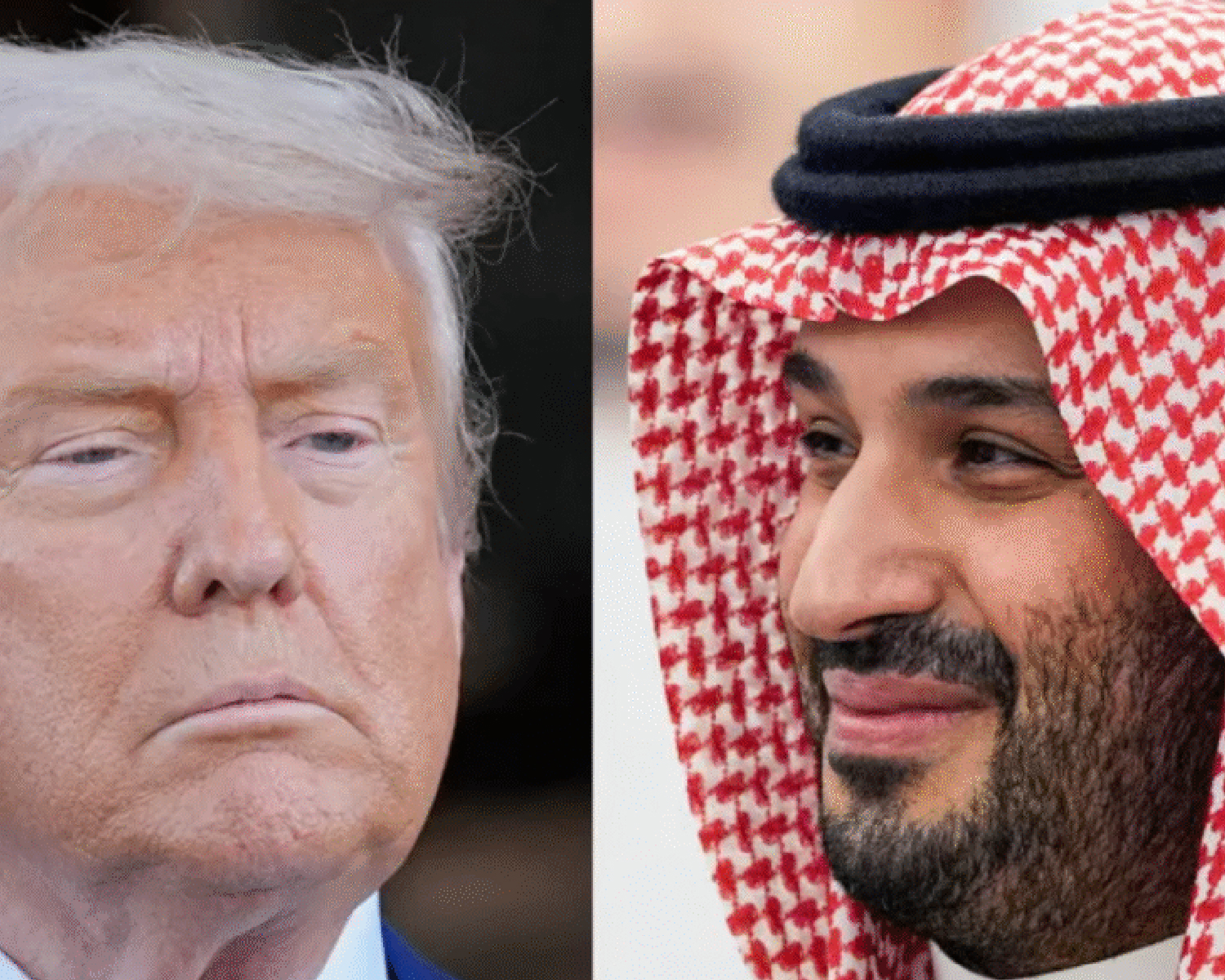
Crown Prince Mohammed bin Salman’s visit to the United States marks a defining moment in Saudi–U.S. relations. For the first time in decades, Riyadh arrived not as a dependent partner but as a rising power with its own global agenda. A relationship born in 1945 out of necessity has, by 2025, evolved into one of strategic interdependence.
Washington now quietly acknowledges a new reality: the future will not be shaped solely in the West; its architecture must also include the East. This shift is not the triumph of one man, but of a national vision that turned ambition into leverage.
But behind the handshakes and trillion-dollar commitments lies a set of hard questions.
A Strategic Gamble Hidden in a $1.2 Trillion Deal
Saudi Arabia’s new access to cutting-edge semiconductor technology and advanced laser defense systems looks like a breakthrough. Yet it also deepens the kingdom’s integration into the American technical ecosystem, one where Washington still holds the master switch.
Is this true autonomy or “golden handcuffs”? If U.S. policy suddenly shifts, could Saudi Arabia’s digital and defense systems be vulnerable?
The Trump Factor: A Partnership Built on Transactions
President Trump’s diplomacy is not ideological; it is deal-driven. Alliances depend on transactions, not values. As history shows, such relationships change with political weather.
If U.S. politics pivots tomorrow, does Riyadh have a Plan B? Relying too heavily on one leader or one administration has always been a high-risk strategy.
A New Arms Race Brewing in the Region
Granting Saudi Arabia “NATO-Plus” status and hinting at future nuclear capability has triggered alarm from Tehran to Tel Aviv. The visit could spark an arms-race ripple across the Middle East and the key question remains: Can the Saudi economy still under Vision 2030’s transformation be able to carry the weight of new regional tensions?
The Real Test Begins Now
Signing multibillion-dollar deals is easy. Implementing them is the real challenge. Integrating American technology, training local talent, and ensuring cultural alignment; all of this will determine whether the visit becomes a milestone or a missed opportunity. The next three years will tell whether this moment reshapes the future or fades like many ambitious agreements before it.