When Canada imposed a 100 percent tariff on Chinese electric vehicles by following the example of the United States, the decision was made in the name of alliance. It was believed that by standing alongside the U.S., Canada would not only protect its own industry but also strengthen bilateral relations. However, time proved that this decision turned into a one-sided sacrifice. The United States kept its own market closed, but offered Canada neither any special concessions nor practical support. In other words, the very policy under which Canada bore losses was the same policy in which the U.S. left Canada stranded.
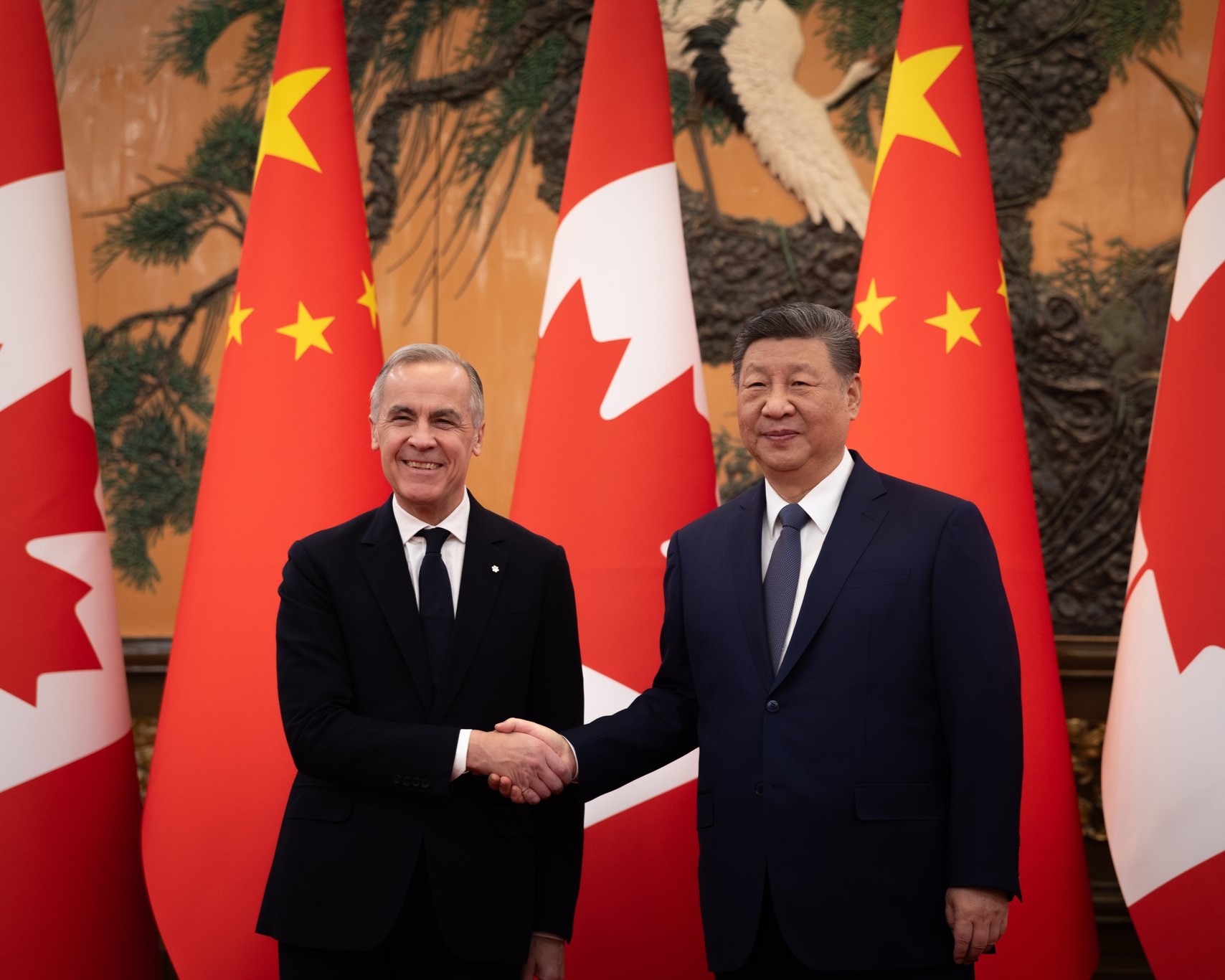
China, on the other hand, did not remain silent. In retaliation, it increased taxes on canola imports from Canada, directly harming Canadian farmers. This was the moment when a serious question gained momentum within Canada: Had we set aside our national interest to fight someone else’s war? When Canada signaled its intention to re-engage with China and improve relations, the U.S. response was harsh and critical. Washington openly stated that Canada’s move was sending the “wrong message” to China and was contrary to North America’s joint policy. But the real question is this: when the United States makes decisions purely in its own interest, why is sacrifice expected from Canada?
This is why Canada today appears to be moving in a new direction. Improving relations with Europe, India, and China, diversifying trade, and most importantly, significantly increasing its defense budget.
Raising defense spending is not merely a military decision; it is a political message. It is a declaration that Canada no longer wants to rely solely on the United States for its security, its economy, and its decision-making. This is not rebellion; it is self-respect. This is not short-term politics; it is preparation for long-term self-reliance and its effects will become clearly visible in Canada’s foreign and economic policy in the years to come.