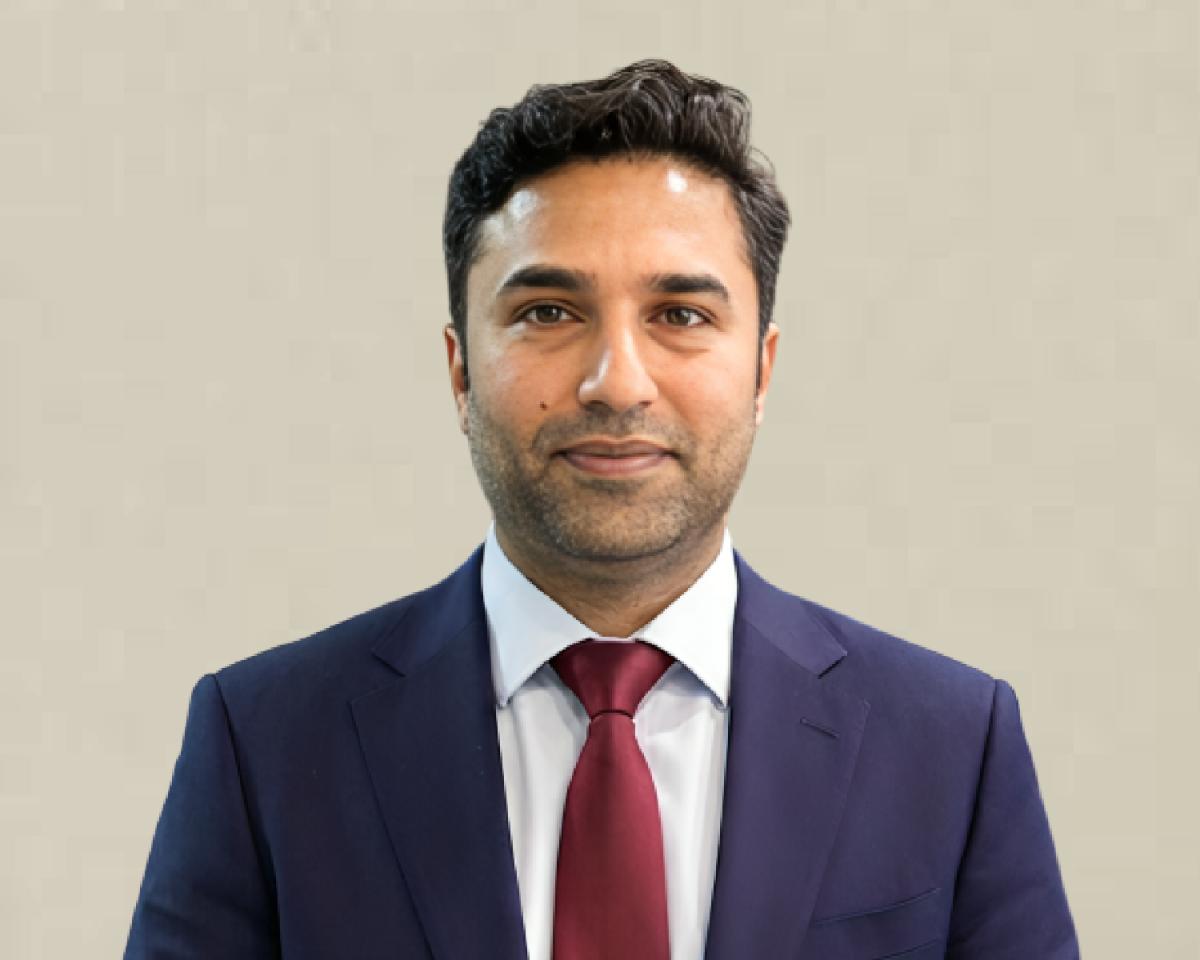

At a time when climate volatility is redefining infrastructure risk and water security, the conversation in Pakistan is shifting from ambition to execution. Policy frameworks for climate adaptation and WASH (Water, Sanitation, and Hygiene) reforms are no longer the primary constraints. In her dialogue with Boardroom, Maqsooda Fatima, Founder of Green Verse Pakistan, articulates a disciplined, execution-centered vision for climate resilience. Rather than framing sustainability as a standalone agenda, she positions it as an institutional design challenge, one that requires bankable structuring, measurable performance frameworks, inclusive governance, and financial coherence.
Boardroom: What was the motivation behind Green Verse’s formation, and what is fundamentally holding back climate and WASH reforms in Pakistan?
Maqsooda Fatima: Green Verse Pakistan (Private) Limited was established to address a persistent structural gap: the distance between policy ambition and operational execution. Pakistan has developed comprehensive climate and WASH frameworks. The challenge lies in translating those frameworks into financially viable, implementable systems at scale.
Climate reform often advances at the policy level faster than institutional alignment, market structuring, and execution discipline. Long-term transformation requires more than well-designed strategies; it requires structured delivery models, cross-sector coordination, and performance accountability.
Green Verse Pakistan operates as a strategic sustainability and infrastructure advisory platform at that intersection: aligning climate policy objectives with bankable project design, measurable impact frameworks, and institutional execution mechanisms. Our role is to strengthen the operational and financial architecture that converts policy intent into investable action. Sustainable reform ultimately depends on bridging ambition with economic viability.
Boardroom: What does climate resilience mean in practical terms, and why does governance break down?
Maqsooda Fatima: In practical terms, climate resilience means infrastructure systems remain functional during floods, heatwaves, and prolonged water stress. Historically, infrastructure design has relied on stable environmental assumptions. Climate volatility now requires risk-informed planning from inception.
Resilience is therefore not an afterthought; it is a design parameter. Climate governance is inherently multi-layered. Water regulation, environmental oversight, urban planning, and local administration operate under distinct statutory mandates. As climate risk becomes systemic rather than sector-specific, coordination complexity increases.
Strengthening resilience depends on integrated climate-risk modeling within infrastructure approvals, improved real-time monitoring systems, and clearer alignment across institutions.
Governance does not fail; it evolves. As data systems mature and coordination deepens, resilience becomes embedded within routine decision-making rather than treated as an external agenda.
Boardroom: How does Green Verse define Inclusive WASH?
Maqsooda Fatima: Inclusive WASH extends beyond infrastructure access. It encompasses affordability, safety, dignity, and long-term climate security, particularly for women, marginalized communities, and persons with disabilities.
Inclusion is not an auxiliary consideration; it is a foundational design principle. A system cannot be considered resilient if segments of the population remain excluded from reliable water and sanitation services.
Our approach integrates climate-adaptive infrastructure, gender-responsive sanitation design, disability-inclusive standards, and community governance models. Inclusion and resilience operate together. Without equity, sustainability remains incomplete.
Boardroom: You emphasize women’s leadership in WASH. Why?
Maqsooda Fatima: Women play a central role in household water management and public health outcomes. Transitioning women from beneficiaries to decision-makers strengthens both accountability and sustainability.
Field evidence consistently demonstrates that women-led water committees and community initiatives exhibit higher operational transparency and long-term engagement.
Beyond governance, women-led green enterprises particularly in waste segregation, recycling, and decentralized sanitation represent an underdeveloped economic opportunity.
Supporting women’s leadership is therefore not solely a social objective; it enhances institutional performance and strengthens localized resilience.
Boardroom: Is climate funding truly the constraint?
Maqsooda Fatima: Climate finance is not scarce; it is selective.
Institutional capital, whether multilateral or private, is deployed based on disciplined risk assessment, governance integrity, and measurable outcomes. Funding prioritizes structured, bankable projects over aspirational intent.
The constraint is less about liquidity and more about alignment. Projects must demonstrate financial coherence, transparent data systems, and clearly defined impact metrics to meet fiduciary standards. Without disciplined structuring and performance accountability, capital remains cautious.
Scaling climate investment requires embedding results-based mechanisms, auditable KPIs, and ESG integration directly into project design not as compliance overlays, but as core operating principles. Capital follows clarity.
Boardroom: If advising WASH policymakers, what would be your top three priorities?
Maqsooda Fatima: Three priorities merit immediate focus. First, groundwater governance must transition from reactive depletion management to proactive recharge oversight, supported by enforceable monitoring and performance tracking mechanisms.
Second, climate-risk modeling should be institutionalized at the inception stage of all infrastructure approvals. Resilience must be treated as a core planning assumption.
Third, digital water accounting systems are essential. Transparent metering and real-time tracking of extraction, distribution, and system losses provide the data foundation for financial sustainability and policy precision.
Collectively, these reforms shift the sector from episodic crisis response toward anticipatory stewardship aligned with long-term economic stability.
Boardroom: Where do young professionals fit into this ecosystem
Maqsooda Fatima: Young professionals represent a critical modernization force. Their capabilities in data analytics, AI, GIS mapping, and digital systems can strengthen institutional intelligence and operational efficiency within public utilities.
Structured internship and fellowship programs can accelerate digital transformation and embed analytical capacity within governance frameworks. As climate systems grow more complex, the sector will require a digitally fluent workforce capable of integrating technology with public infrastructure management.
Boardroom: What is the long-term objective of Green Verse Pakistan?
Maqsooda Fatima: The long-term objective is to help build an institutional ecosystem where climate resilience is embedded by default in planning, investment, and regulatory processes rather than treated as a standalone initiative.
Sustainability must evolve from isolated projects to integrated, data-driven, economically viable systems woven into Pakistan’s urban and rural development architecture. When resilience becomes standard practice not a post-crisis reaction, it strengthens both environmental security and economic continuity.