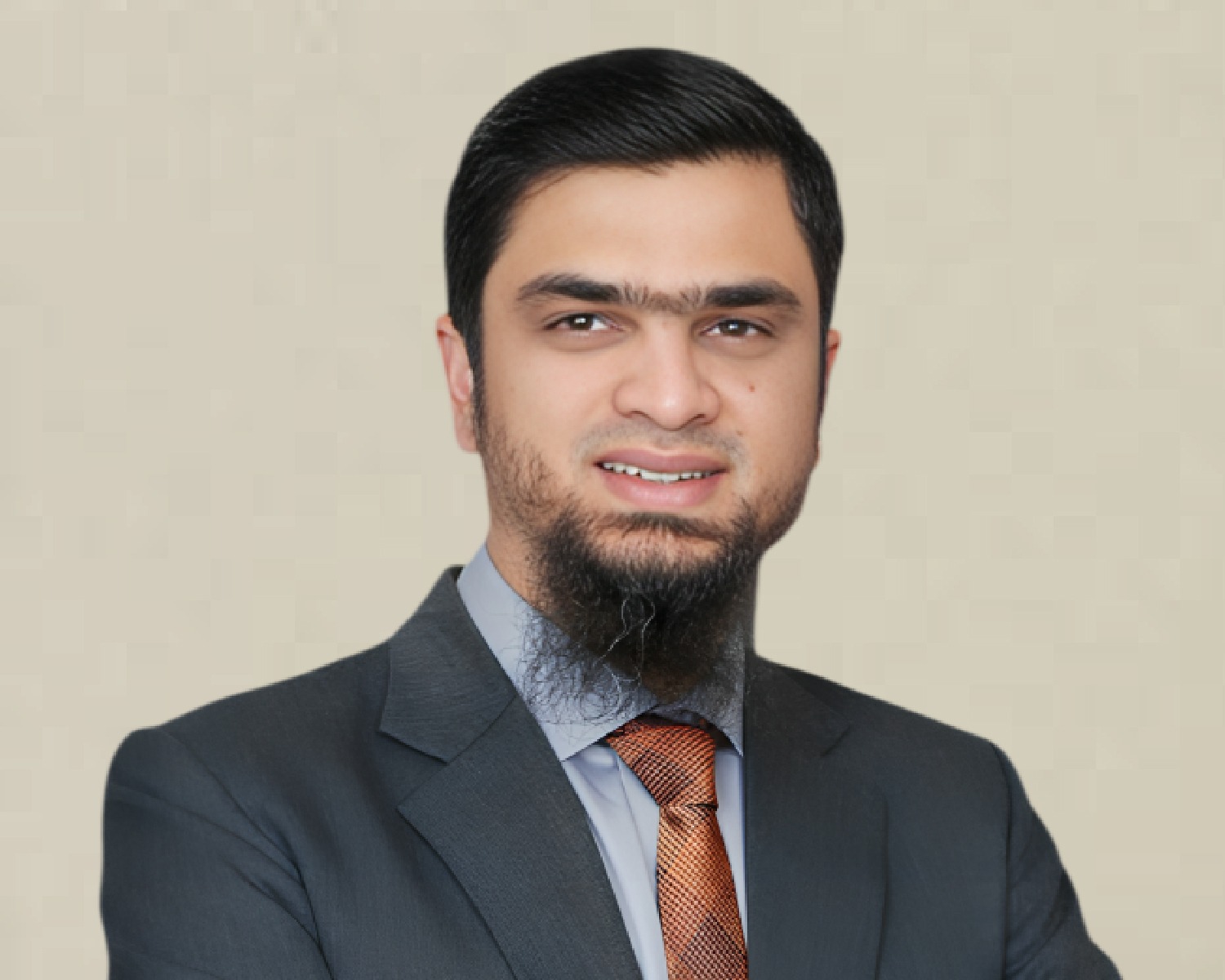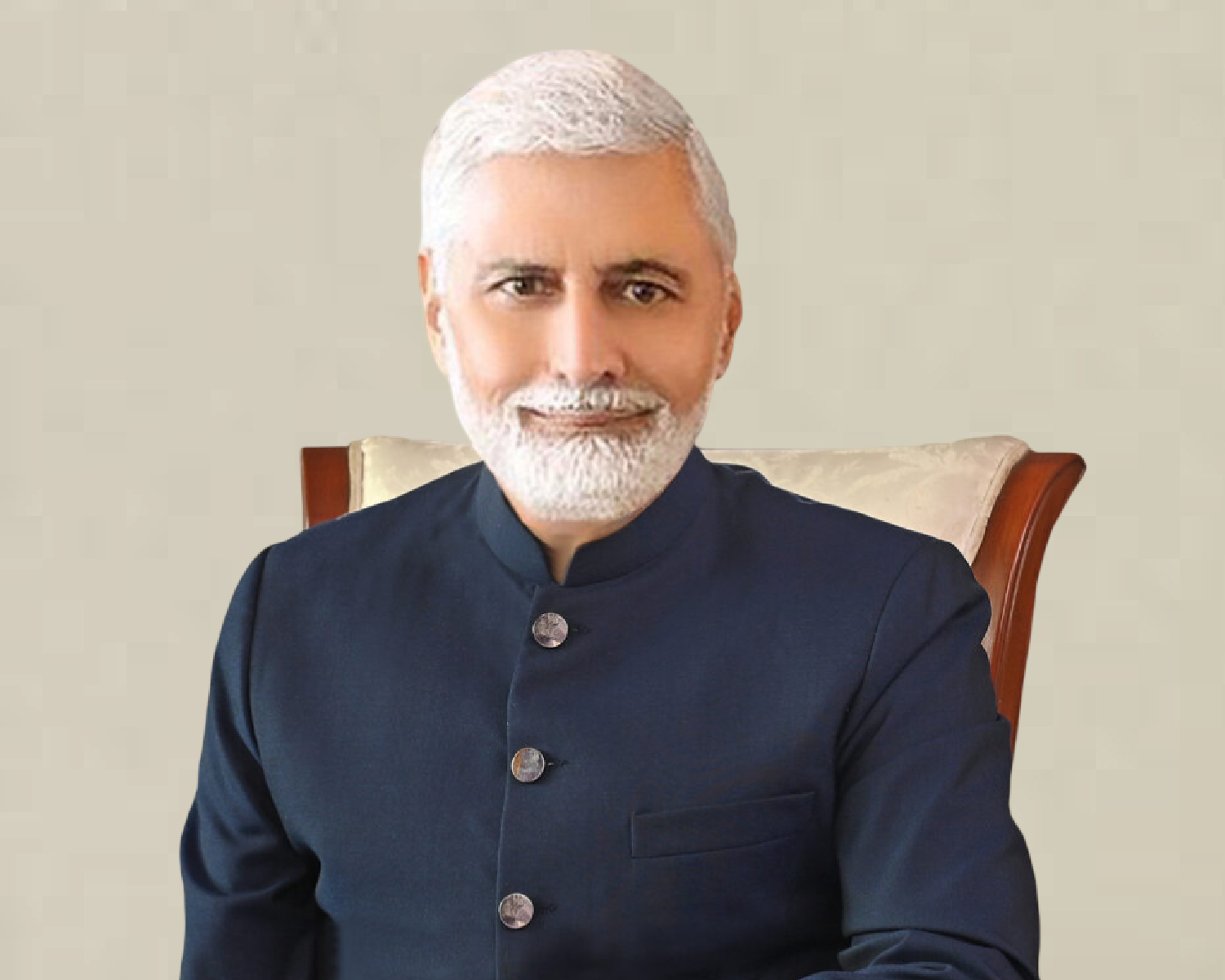

This conversation with Mr. Haris Javed, Founder of COTTONMOUTH, centers on redefining Pakistan’s real estate sector through a balanced integration of people, planet, and profit. It highlights how sustainability, in his view, is not a symbolic add-on but a commercially viable and structurally integrated model embedded from design to execution. The dialogue underscores an ecosystem-based approach to development where architecture, engineering, economics, occupant health, and environmental performance converge positioning green real estate as both a strategic opportunity and a long-term necessity for community-scale impact.
This conversation with Mr. Haris Javed, Founder of COTTONMOUTH, centers on redefining Pakistan’s real estate sector through a balanced integration of people, planet, and profit. It highlights how sustainability, in his view, is not a symbolic add-on but a commercially viable and structurally integrated model embedded from design to execution. The dialogue underscores an ecosystem-based approach to development where architecture, engineering, economics, occupant health, and environmental performance converge positioning green real estate as both a strategic opportunity and a long-term necessity for community-scale impact.
BOARDROOM: Tell us about the idea behind COTTONMOUTH. Why this name and concept behind it?
Haris Javed: When my team and I set out to create Pakistan’s first green real estate company, we wanted to position ourselves in the market with clarity about our work and the domain in which we operate. We aimed for a name that best reflects our vision, values, and priorities. After exploring multiple options, we named our company after a semi-aquatic snake, emphasizing its ecological sensitivity rather than its abilities as a snake. The name highlights the species’ environmental connectivity and draws attention to how it is negatively perceived in some cultures due to a lack of awareness. This aligns perfectly with our mission to integrate sustainable and environmentally responsible practices into Pakistan’s real estate sector, which is still predominantly driven by economic outcomes and where sustainability is often overlooked. Additionally, choosing an internationally recognized species supports global visibility and helps us expand our market reach.
BOARDROOM: How do you define your architectural identity?
Haris Javed: Our identity is rooted in an integrated approach to art, engineering, and economics, where no single aspect takes precedence over another. For every project, the first question we are usually asked is: What is the priority; people, planet, or profit? Our answer remains consistent: all three must coexist in balance. Unlike conventional architectural and real estate practices that prioritize iconic form or purely economic outcomes, our approach is guided by the integration of all three aspects: people, planet, and profit. For us, occupant wellbeing, environmental performance, and long-term commercial viability are the true measures of success. As a precedent, consider Brick Curtain House in Surat, India, by Design Work Group, where its exposed, protruded brick façade not only provides aesthetic appeal but also functions as a curtain to reduce solar gains, keeping the building cool in high temperatures and minimizing the need for HVAC or mechanical cooling systems. Also by using finished bricks, the designers eliminated the need for plaster on the walls, while simultaneously reinforcing cultural identity through the brickwork. This Brick Curtain House is a practical example of the integration of aesthetics and building science, demonstrating a thoughtful combination of art, economics, and engineering.
BOARDROOM: When you talk about sustainability, how do you interpret it in practical terms?
Haris Javed: Sustainability is often reduced solely to environmental considerations, which is an incomplete approach. A project that is environmentally sound but commercially or habitability-wise unviable cannot succeed as a truly sustainable development. Ignoring social and human dimensions leads to the same outcome; a project that is profitable yet detrimental to occupants’ health and experience of the built environment cannot be considered successful. True sustainability requires the integration of environmental responsibility, economic feasibility, and social impact. While experimental materials or unconventional housing models may be proposed, if people are unwilling to adopt or live in them, the project ultimately fails commercially. Therefore, sustainability must be realistic, practical, and widely adoptable.
BOARDROOM: How do you balance creative autonomy with commercial viability?
Haris Javed: Unlike the conventional approach, where project teams often work in silos, resulting in projects that excel in one area but fall short in others, we implement an integrative process from the early stages of site selection, design, throughout project execution, and operation. In this approach, all disciplines like owners, developers, architects, engineers, contractors, and stakeholders come together to make collective decisions, ensuring the outcome is balanced and well-coordinated. By coordinating these disciplines from the early design phase and maintaining close collaboration for example, designers working hand in hand with engineers, we are able to produce projects that are both aesthetically striking and high-performing in practice.
BOARDROOM: Where do you see the biggest opportunity in terms of impact?
Haris Javed: While individual buildings can make meaningful contributions, neighborhoods and housing societies have an entirely different scale of impact. A single unit affects only its immediate footprint, whereas a planned community simultaneously shapes microclimate, stormwater behavior, biodiversity patterns, mobility flows, and public health outcomes. This larger scale amplifies both vulnerability and opportunity. Sustainable developments with designated green belts, when strategically planned, can transform these areas from decorative landscaping into functional ecological infrastructure. For instance, green belts can serve as bioswales that absorb runoff water, recharge groundwater, and mitigate urban flooding. By incorporating indigenous planting, xeriscaping, integrated groundwater channels, and urban heat mitigation strategies, a sustainable development can shift from being an environmental burden to an environmental asset. At this scale, thoughtful master planning does not merely minimize harm; it actively enhances ecological performance and long-term livability.
BOARDROOM: What about material sourcing and regulatory compliance in neighborhoods and Housing societies?
Haris Javed: At the level of neighborhoods and housing societies, material sourcing and regulatory compliance can be effectively managed by mandating the use of sustainable materials, such as FSC-certified wood. Housing societies can simplify compliance and enforcement, as they have more robust internal compliance infrastructure. Consistent regulatory enforcement can ensure that the use of sustainable materials becomes standard practice, which will create demand for such materials and help develop supply chain markets for sustainable materials.
BOARDROOM: How does occupant health factor exist into your sustainability model?
Haris Javed: Our projects are designed with occupant health at the center. Consider volatile organic compounds (VOCs) in paints, these are harmful compounds that are released at room temperature, directly affecting the respiratory health of occupants. In the absence of regulation and awareness, high-VOC paints dominate the market simply because they are more economically viable. Our model directly incorporates measures to ensure air quality, natural light access, proper ventilation, views, and long-term health outcomes for occupants.
BOARDROOM: Many developers argue that green buildings are expensive. How do you respond?
Haris Javed: This perception is largely a misconception. Green buildings typically incur an upfront cost increase of 2–7 percent (Study: The Cost of Green Revisited by Davis Langdon, Inc.) compared to conventional buildings. For projects developed to the highest standards of green building certification, the increase rarely exceeds 10 percent. However, over the building’s lifecycle, savings in energy, water, maintenance, and occupant health far outweigh the initial cost difference. When owners or developers are presented with commercially viable, and sustainable models, they are generally open to adoption.
BOARDROOM: What are the biggest challenges in Pakistan’s real estate landscape?
Haris Javed: The primary challenges are the sourcing of sustainable materials, regulatory inconsistencies, weak enforcement of compliance, budget and timeline pressures, skilled labor shortages, and limited technical integration. Many developments prioritize short-term marketing over long-term performance. Resistance is not the core issue; the real gap lies in awareness, structural reform, and the adaptation of green building practices to local market and end user requirements.
BOARDROOM: What is your long-term vision?
Haris Javed: Our goal is to create large-scale developments that generate a meaningful impact for end users. Rather than merely minimizing damage in isolated projects, we aim to drive positive change across entire communities. As a green real estate company, we focus on delivering projects that prioritize triple bottom line: people, planet, and profit, offering sustainable solutions that enhance the everyday living experience while delivering long-term social, environmental, and economic benefits.