
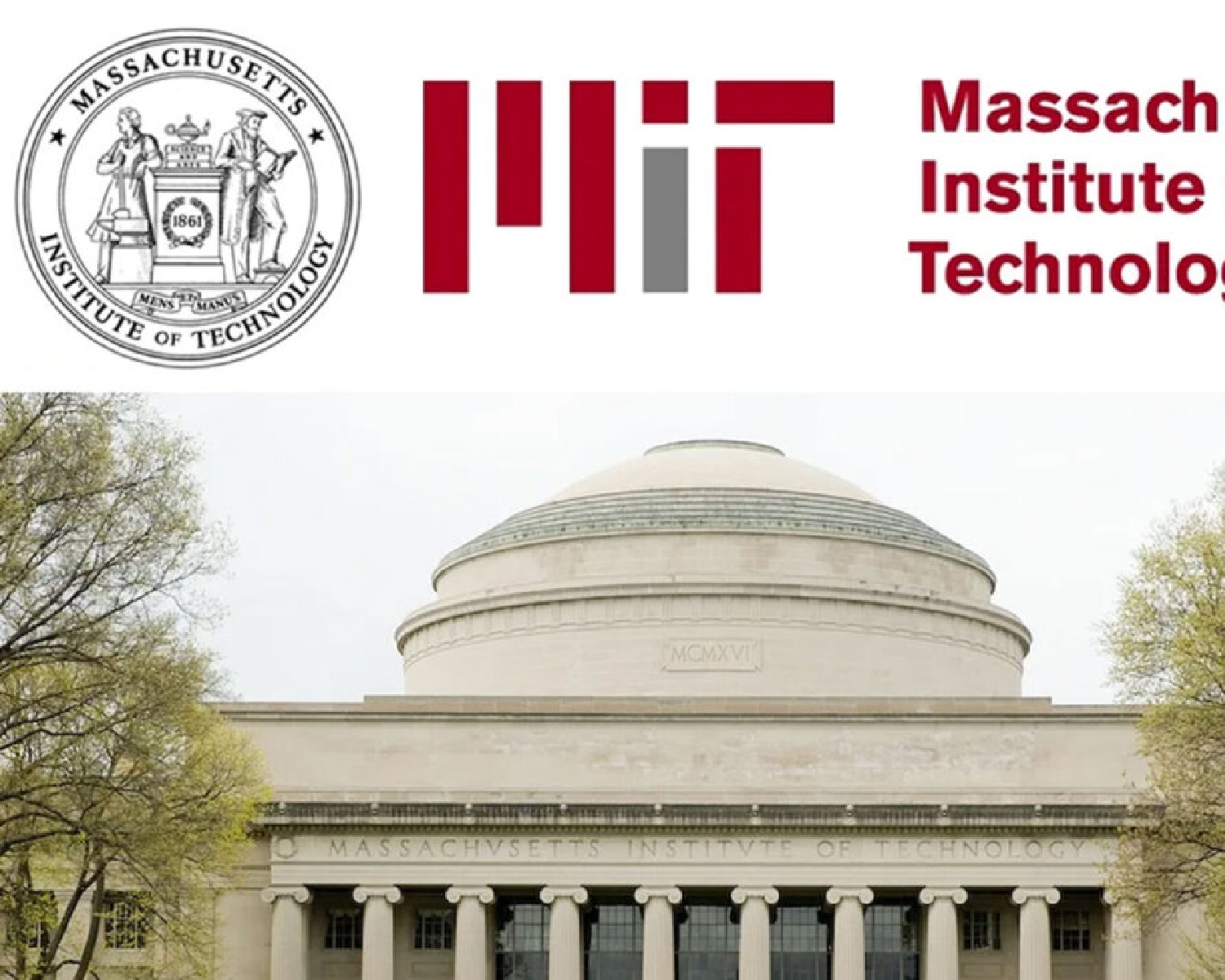
MIT’s faculty is over 1,000 in number, play a vital role in shaping MIT; A Vibrant campus as advisors, coaches, mentors, committee members, and much more.
MIT’s faculty is over 1,000 in number, play a vital role in shaping MIT; A Vibrant campus as advisors, coaches, mentors, committee members, and much more.
Incorporated in 1861, home to 105 Nobel laureates, MIT is pushing the boundaries of knowledge, research and innovation. In 30 departments across 5 schools and 1 college, MIT students combine analytical rigor with curiosity, playful imagination, and an appetite for solving the hardest problems in service to society.
MIT undergraduates work closely with faculty, tackle global challenges, pursue fundamental questions, and translate ideas into action. The core of the Institute’s teaching and research enterprise, the graduate students and postdocs represent one of the most talented and diverse cohorts in the world. To complement its academics, MIT offers a vibrant campus environment with a wide range of clubs, teams, programs, and activities so that all students can cultivate personal growth, build community, and prioritize wellbeing.
Ecosystem:
MIT’s innovation ecosystem comprises students, faculty, postdocs, and alumni taking part in tailored classes, mentorship, guidance, and activities offered by over 80 Innovation and Entrepreneurship (I&E) organizations across campus. Located in the heart of “the most innovative square mile on the planet,” MIT InnovationHQ provides a home for MIT’s thriving community of innovators and entrepreneurs, supporting all who pursue ideas with a passion for world-changing impact. From this hub of I&E activity, the ecosystem reaches outward into our regional innovation ecosystem, in part through an ambitious, decade-long redevelopment initiative.
Diversity:
Diverse in every sense of the word, MIT community is a playground for opportunity in the heart of a global innovation hub. To complement the academics and research, students choose their own extracurricular adventures, from a spectacular array of ways to participate in music, dance, and sports to dozens of groups that savor and celebrate cultures from around the world.
Impact:
Innovations from MIT address the problems humanity most needs to solve, including sustainable energy, urban resiliency, fresh water, food for all, cancer, Alzheimer’s, and infectious disease. Helping MIT inventors means to connect with mentors, collaborators, networks, and funding. It helps them to translate new science into transformative innovation. MIT entrepreneurs make a sizable global impact: The active companies formed by living MIT alumni produce estimated annual revenues on par with the gross domestic product of the 10th-largest economy in the world