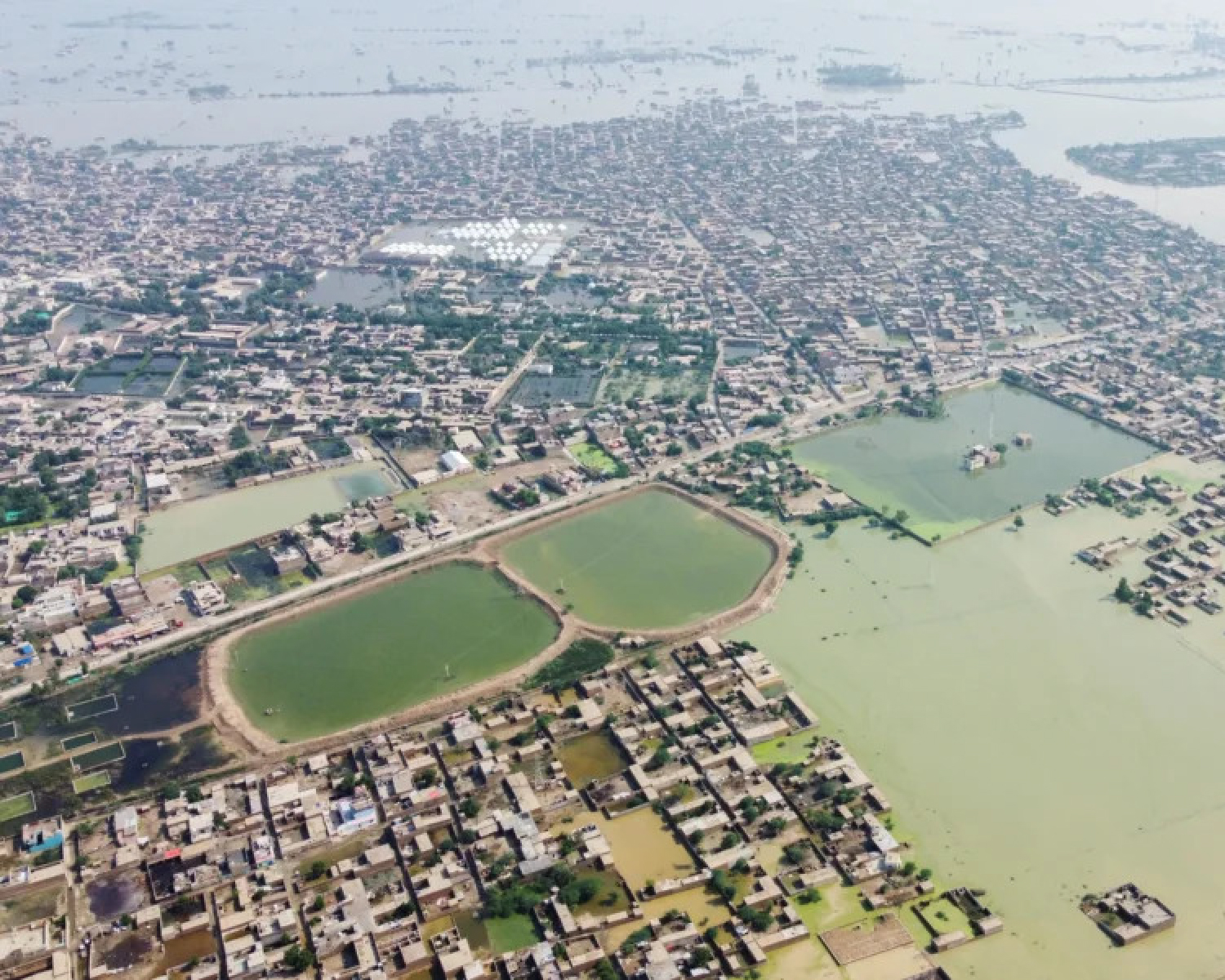
The recent floods in Pakistan have left a trail of destruction, displacing millions and causing billions of dollars in economic losses. The country’s social and economic fabric is severely strained, with the most vulnerable populations bearing the brunt of the disaster.
The recent floods in Pakistan have left a trail of destruction, displacing millions and causing billions of dollars in economic losses. The country’s social and economic fabric is severely strained, with the most vulnerable populations bearing the brunt of the disaster.
Social Consequences:
The floods have resulted in widespread displacement, with over 2 million people forced to flee their homes. Many are living in makeshift shelters, struggling to access basic necessities like food, water, and healthcare. Children are particularly vulnerable, with thousands facing malnutrition, disease, and disrupted education. The trauma and stress caused by the disaster will likely have long-term effects on the mental health of survivors.
Economic Impact:
The economic impact of the floods is staggering, with estimated damages and losses totaling $30 billion. The agricultural sector, a backbone of Pakistan’s economy, has been severely affected, with crops like cotton, rice, and wheat destroyed. This will likely lead to food shortages and price increases, exacerbating poverty and food insecurity. The textile industry, a significant contributor to Pakistan’s exports, is also expected to suffer due to cotton losses.
Infrastructure and Governance Challenges:
Pakistan’s infrastructure has been overwhelmed by the disaster, with roads, bridges, and utilities severely damaged. The government’s response has been hampered by inadequate disaster management systems, corruption, and bureaucratic delays. The Federal Flood Commission, the country’s central flood mitigation body, has been criticized for its ineffective management of flood risks.
Long-term Consequences:
The post-flood scenario in Pakistan poses significant long-term challenges. The country’s economy, already fragile, may take years to recover. The floods have exposed deep-seated governance issues, including corruption, poor planning, and inadequate infrastructure. To mitigate future disasters, Pakistan needs to adopt a comprehensive approach, incorporating climate-resilient infrastructure, early warning systems, and community-based disaster management.
Way Forward
To address the social and economic collapse caused by the floods, Pakistan requires a multi-faceted approach. This includes:
Immediate Relief: Providing food, shelter, and healthcare to affected populations. Infrastructure Development: Rebuilding and upgrading infrastructure to withstand future disasters.
Economic Support: Supporting affected businesses and industries, particularly agriculture and textiles.
Disaster Preparedness: Developing early warning systems and community-based disaster management.
Governance Reforms: Strengthening institutions and addressing corruption to ensure effective disaster response and management.
In conclusion, the post-flood scenario in Pakistan demands a concerted effort from the government, international community, and civil society. By working together, we can help alleviate the suffering of affected populations and build a more resilient Pakistan.
Image Courtesy: Aljazeera