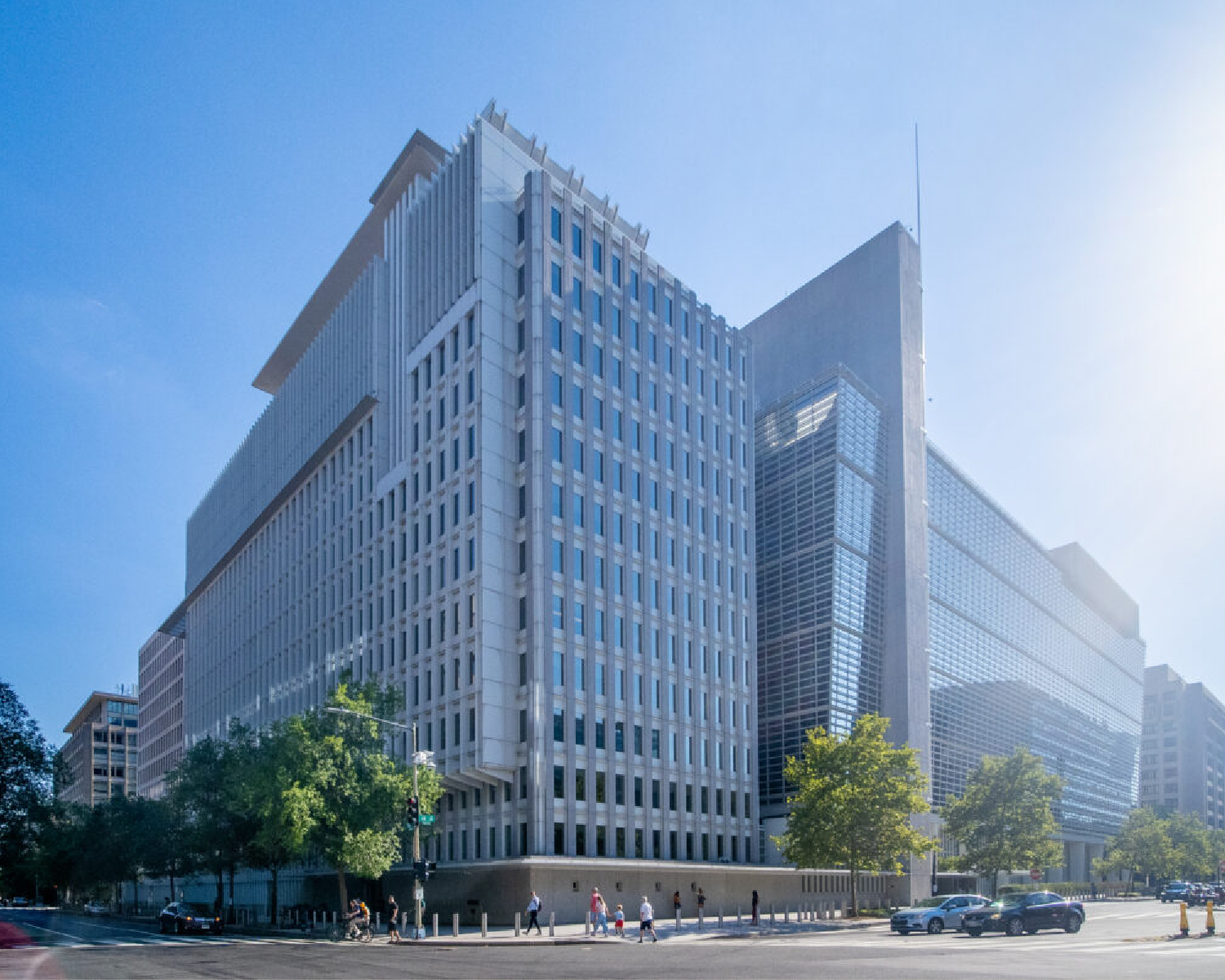
The World Bank is a pivotal institution in the
realm of global economics, functioning as both a barometer and an influencer of
economic health across nations. Its role extends beyond mere financial
assistance, encompassing a broad spectrum of activities that include data
analysis, policy advice, and the sharing of best practices, all aimed at
fostering sustainable economic development.
The World Bank’s Role in Global Economics:
The World Bank plays a crucial role in
supporting sustainable development globally. By providing economic assistance,
the institution seeks to mitigate poverty and strengthen economic growth. Its
efforts to understand and shape economic prospects are critical in navigating
the complexities of the modern world. The Bank’s insights into global economic
innovation and technology adoption are particularly valuable, as it leverages
advancements to drive productivity and competitiveness.
Key Initiatives and Reforms:
Under the leadership of President Ajay Banga,
the World Bank has embarked on an “evolution agenda” to expand its traditional
development and anti-poverty mission to include fighting climate change and
other global crises. Some notable initiatives and reforms include;
Private Sector Investment Lab: Launched in June 2023, this lab aims to mobilize private capital
and has already made several recommendations that have been implemented,
including consolidating all guarantee programs under one platform.
Balance Sheet Optimization: The World Bank has optimized its balance sheet by lowering its
equity-to-loan ratio, allowing it to take on more risk and boost lending
capacity.
Guarantee Platform: A new guarantee platform is being rolled out to deliver
simplicity, improved access, and faster payment execution, with the goal of
tripling annual guarantee issuances to $20 billion by 2030.
Crisis Preparedness and Response: The World Bank is expanding its Crisis Preparedness and Response
Toolkit to help developing countries better respond to crises and build
resilience against future shocks.
Challenges and Opportunities
Despite these efforts, the World Bank faces
significant challenges, including
Climate Change: The
Bank’s mission has expanded to include tackling climate change, but its
progress has been slow, and it remains to be seen how effectively it can
address this global challenge.
Shareholder Tensions: The World Bank’s largest shareholder, the United States, has
significant influence over the institution’s direction, and changes in US
leadership can impact the Bank’s priorities and operations.
Private Capital Mobilization: The World Bank’s track record on private capital mobilization
remains weak, and it needs to learn from past experiences to improve its
effectiveness.
Impact and Future Directions:
The World Bank’s impact on global economics is
multifaceted. Its financial assistance has helped many countries invest in
essential areas such as education, health, and infrastructure, which are
critical for long-term growth. However, the Bank’s influence is not without
controversy, and critics argue that the conditions attached to its funding can
sometimes lead to austerity measures that may harm the most vulnerable
populations.
As the World Bank continues to evolve and
adapt to changing global circumstances, it is essential that it prioritizes
transformational change on climate, poverty, and inequality. With a growing
recognition of the need for a better Bank, the institution has the opportunity
to make a lasting impact on the world.
Global Cooperation: The World Bank plays a critical role in promoting global
cooperation and addressing issues like climate change and pandemics that
transcend borders.
Innovative Financing: The Bank is exploring innovative financing instruments, such as
hybrid capital and securitization, to raise funds and mobilize private capital.
Knowledge Sharing: The
World Bank is refocusing on its knowledge mechanism, bringing experts to the
forefront of its country-driven model to craft focused development plans.
In conclusion, the World Bank is a change
maker in the world of global economics, with a critical role in promoting
sustainable development and addressing global challenges. While it faces
significant challenges and opportunities, the Bank has the potential to make a
lasting impact on the world. With its commitment to innovation, knowledge
sharing, and global cooperation, the World Bank is poised to continue shaping
the future of global economics.