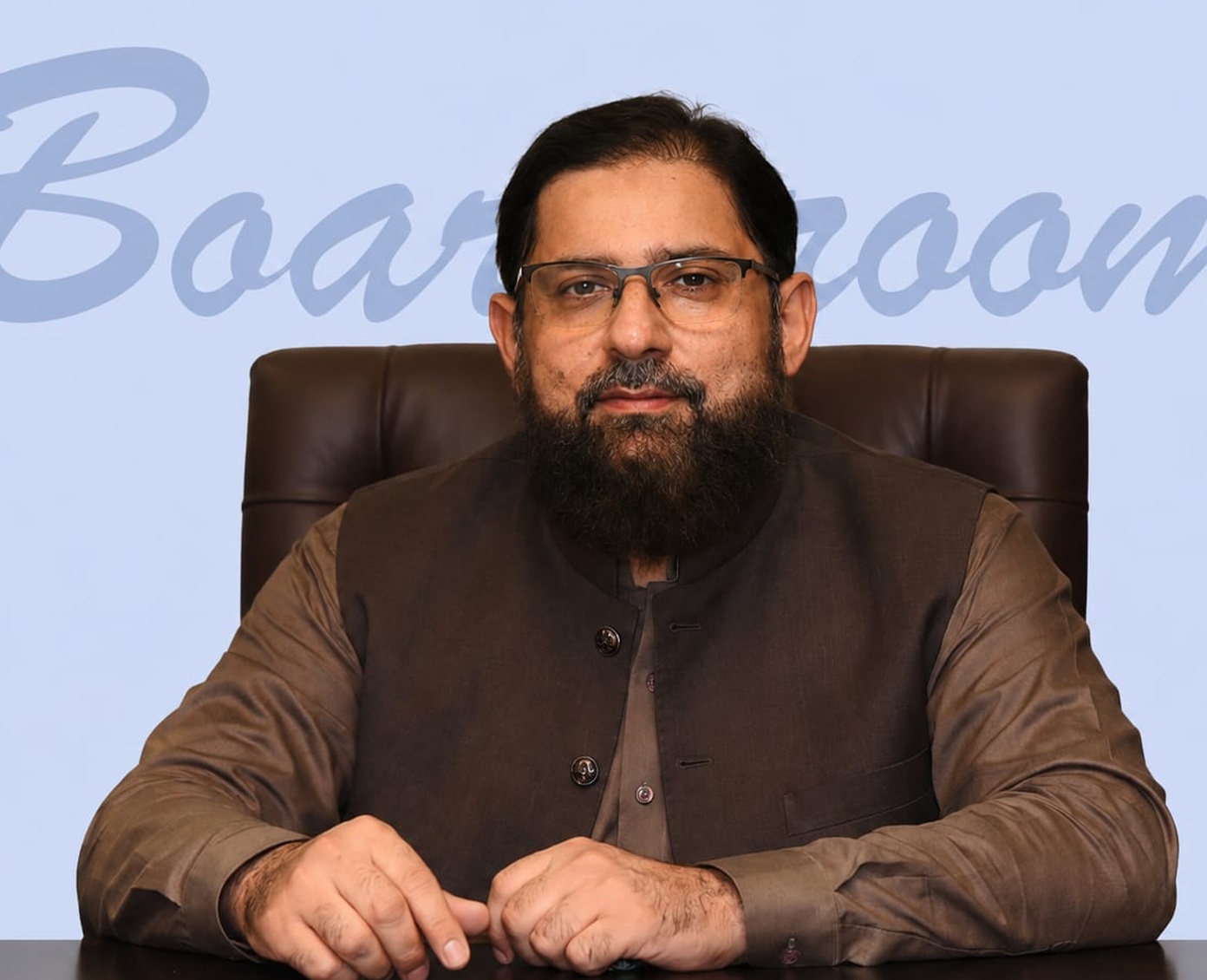
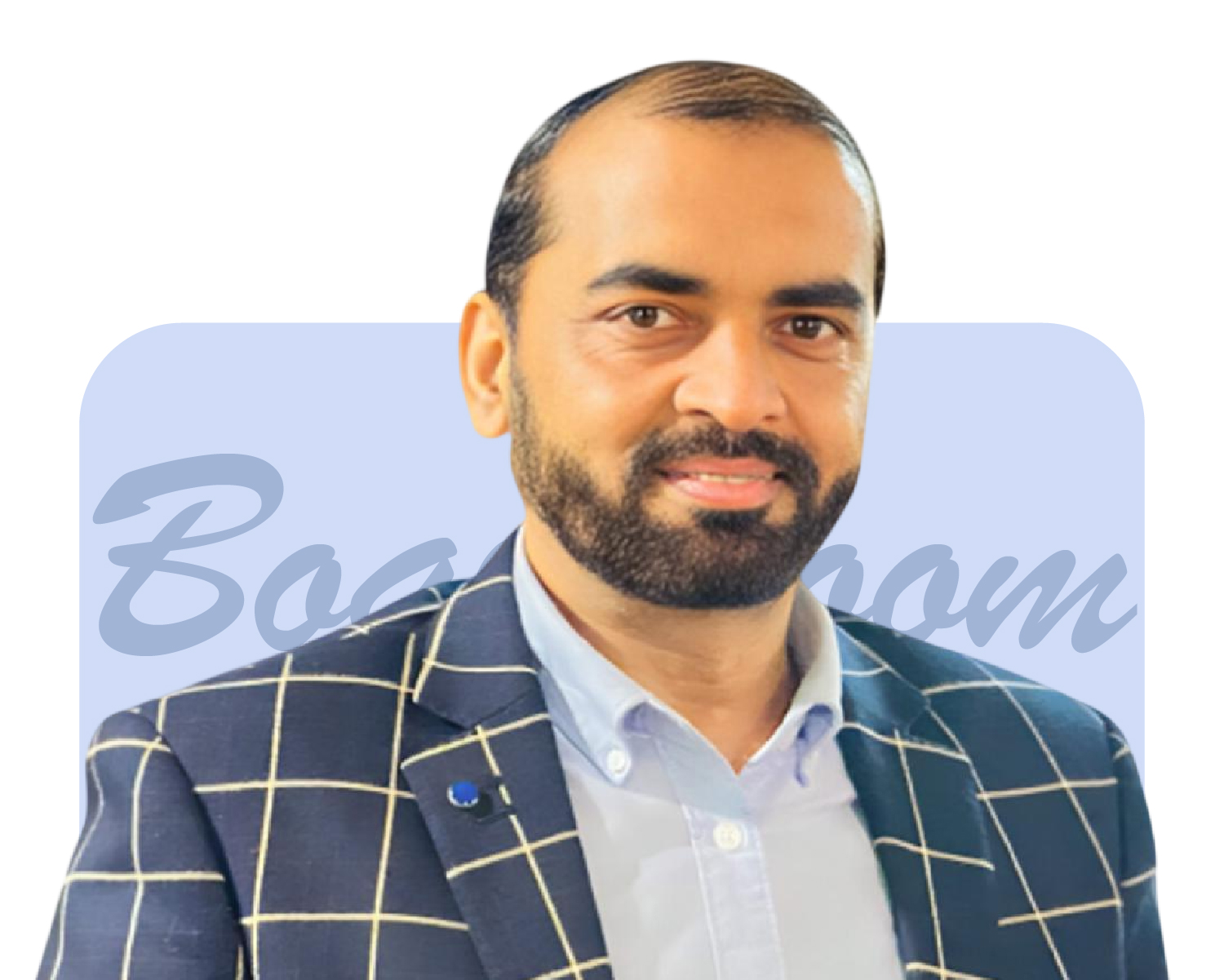
From humble beginnings in mobile accessories to building one of Pakistan’s leading furniture brands, Mr. Faryad, Founder of Multiwood, embodies resilience and vision. Recognizing the limitations of a saturated electronics market, he pivoted to the furniture industry, where his focus on affordability, quality, and innovation quickly established Multiwood as a household name. Supplying institutions from airports to the Prime Minister’s House, the brand now has global recognition. Guided by a people-first leadership style, he credits his team’s loyalty for sustained growth. His journey reflects grit, faith, and a clear mission: to make Multiwood an international brand.
BOARDROOM: You began your journey in mobile accessories. What led you to switch to the furniture industry?
Mian Faryad Ahmad: I started my business journey in mobile accessories, but quickly realized the market’s intense competition. Giants like Nokia and Samsung dominated, leaving very little room for smaller players. I realized I needed to explore a sector with bigger opportunities. Around that time, the furniture trade with China was picking up pace. Unlike electronics, this industry didn’t carry the same branding pressures and it had massive potential, too. So, I made the leap. Simultaneously, I believe success isn’t about the industry. It’s about your determination. Rizq comes from effort and faith, not from the type of business you choose. For me, furniture was almost accidental, but from day one, my vision was clear: make Multiwood an international brand. Today, Alhamdulillah, we are recognized worldwide and expanding into different countries.
BOARDROOM: How did Multiwood establish itself as one of Pakistan’s leading furniture brands?
Mian Faryad Ahmad: One key decision was to keep prices lower than the market. I learned this in China to focus on volume over margins. It worked. Within a short time, Multiwood became a familiar name across Pakistan. Our promise was straightforward: “Good quality at the best price.” This gave us credibility with retailers, showrooms, and even big institutions.
Soon, we were supplying to clients like Interwood, airports, hospitals, and even the Prime Minister’s House. At the same time, we constantly innovated. From modular furniture and folding dining tables to modern MDF designs, we kept pace with trends from China, Korea, and Japan. Investing in advanced machinery helped us scale from producing a few tables a month to dozens a day. Today, about 90% of Pakistani institutions use Multiwood furniture.
BOARDROOM: What’s your leadership philosophy?
Mian Faryad Ahmad: I never see my team as employees. They are family. Like parents forgive their children’s mistakes, I extend the same to my people. This builds loyalty, trust, and commitment. Many of my colleagues have been with me for over 15 years. Their dedication is the real foundation of Multiwood’s growth.
BOARDROOM: What challenges do entrepreneurs face in Pakistan?
Mian Faryad Ahmad: I see three (03) major issues:
Skill gap: Graduates lack practical training.
Weak work ethics: Too many want quick luxuries without effort.
Wasted time on mobiles: We spend hours scrolling instead of learning.
In China, people sincerely work eight hours a day. In Pakistan, our effective work time is hardly two hours and that’s a huge barrier to progress.
BOARDROOM: What advice would you give young entrepreneurs starting today?
Mian Faryad Ahmad: Remove all “ifs and buts.” Don’t enter business thinking, “I’ll try, and if it fails, I’ll quit.” Go in with a do-or-die mindset. Also, fully embrace digital tools like e-commerce, social media, networking. When I began, I didn’t even have a showroom. I went market to market, distributed flyers, built contacts, and even used WhatsApp as a marketing tool. That hustle created the base which we later scaled through online platforms. Success is possible in any field—if you stay true to your vision, work hard, and use the modern tools available today.
BOARDROOM: How do you balance business and family life?
Mian Faryad Ahmad: I bring only the positive side of business into conversations at home. Too many businessmen burden their families with losses and stress, which discourages children. I chose instead to share opportunities, profits, and excitement. When my son once wanted to move abroad, I showed him the lifestyle and exposure that business could create. I even took him to China to experience the travel, networking, and five-star opportunities that only an entrepreneur can enjoy. That trip not only changed his mind; it reaffirmed mine: business isn’t just about earning, it’s about inspiring the next generation to dream bigger.