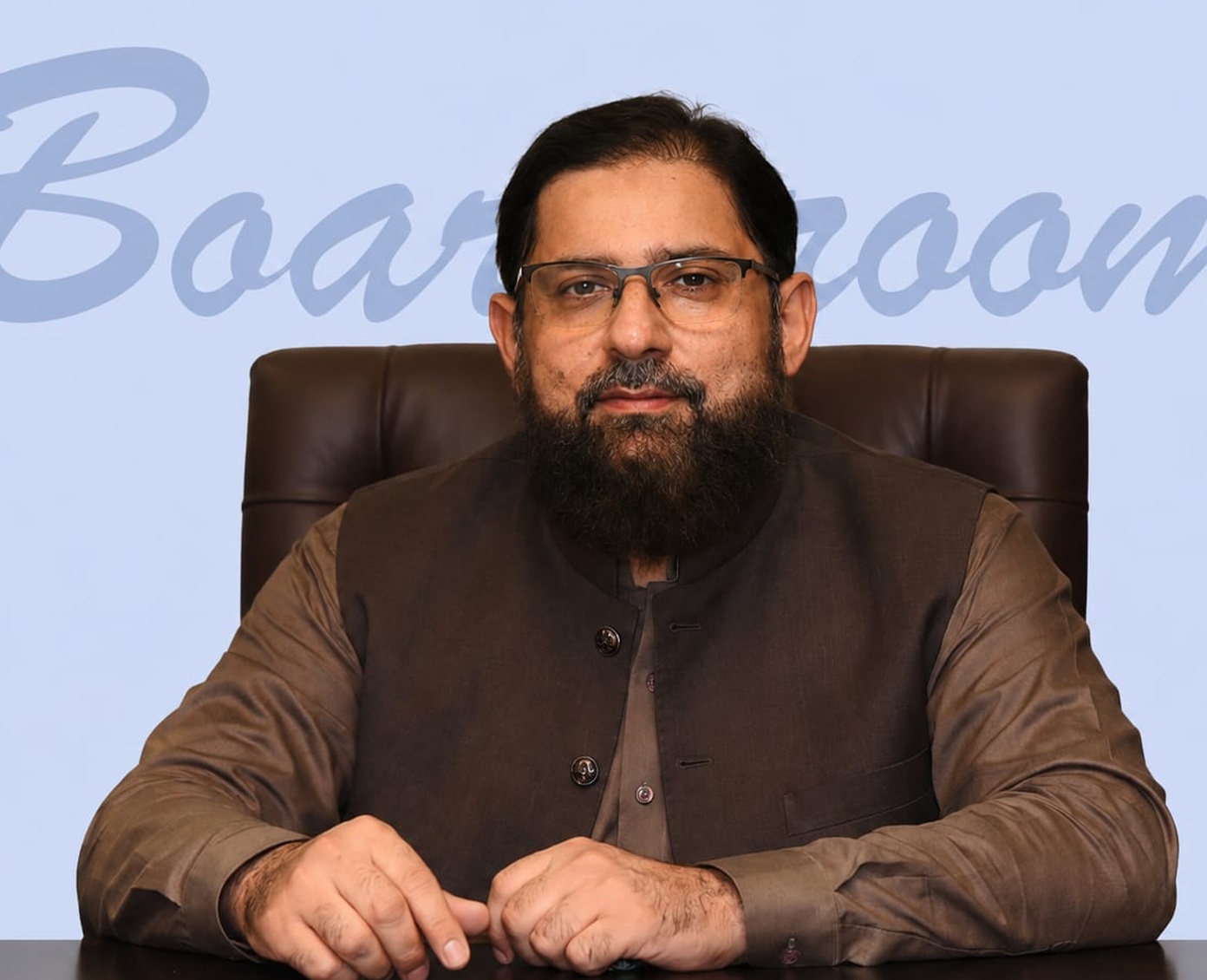
Cubic Solutions represents a compelling narrative of how disciplined execution, client-centric thinking, and technological adaptability can transform a local venture into a credible global IT partner. Founded in Lahore in 2011, the company has steadily built its reputation across international markets by focusing not on scale for its own sake, but on consistency, trust, and measurable business outcomes. With over 2,000 projects delivered across industries, Cubic Solutions has evolved into a full-spectrum technology partner, offering services that span web, mobile, enterprise systems, and emerging technologies. What distinguishes the company is not merely its service breadth, but its structured approach to quality, modular scalability, and long-term client relationships.
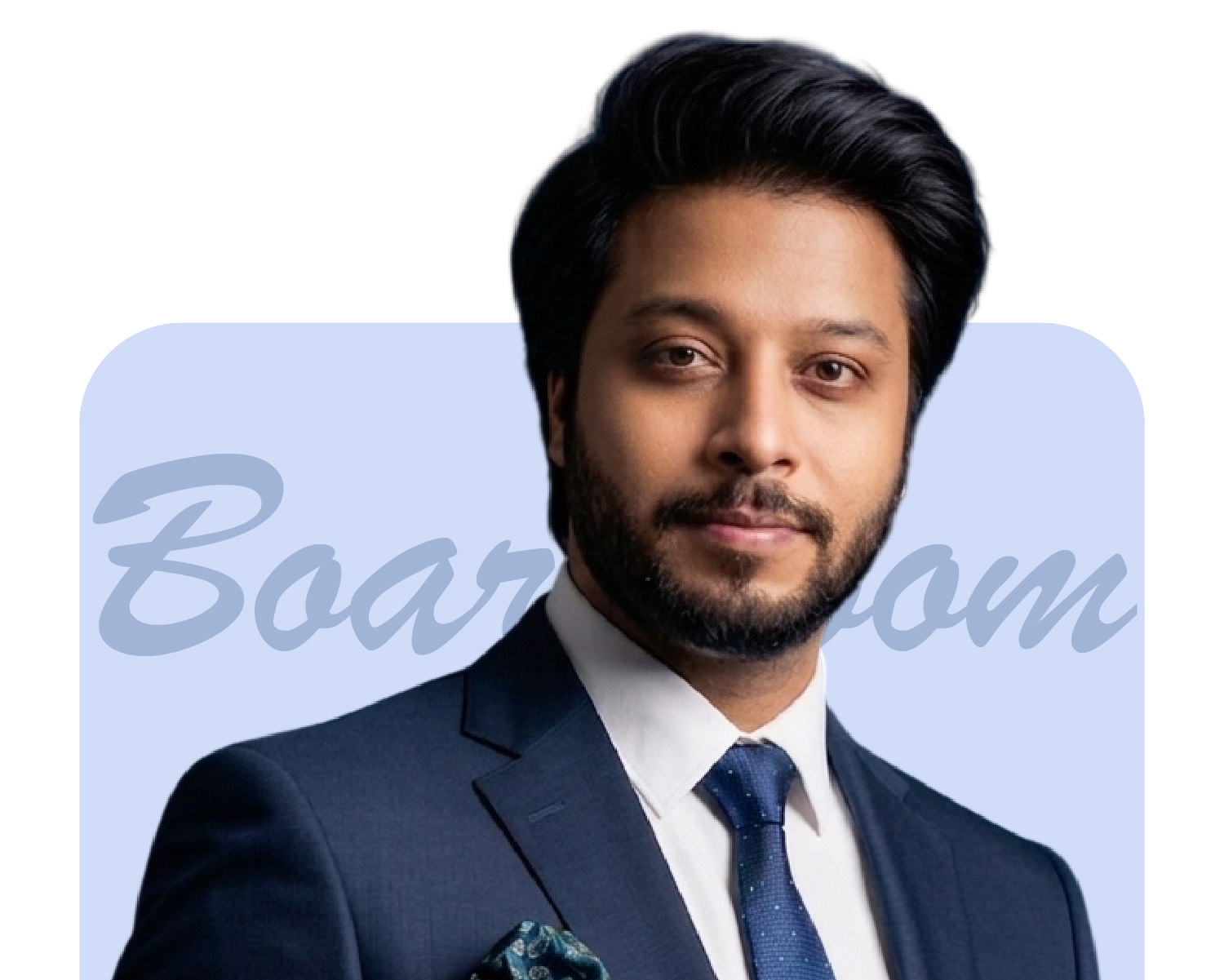
In this conversation, Asad Ur Rehman shares how Cubic Solutions has navigated global markets from Pakistan, built operational rigor into its delivery model, and positioned itself as a strategic partner rather than a transactional vendor. He also reflects on the realities of scaling technology businesses, integrating emerging technologies with practical value, and shaping a future-ready organization anchored in credibility and excellence.
Boardroom: Cubic Solutions has positioned itself as a full-service software development firm since 2011. What core vision has driven your evolution from a local company to a global IT partner?
Asad Ur Rehman: From our early days in Lahore to becoming a global technology partner has been anchored in a simple yet powerful belief that exceptional software solutions can emerge anywhere. We started with a commitment to solving real business problems with quality, innovation, and reliability. What truly accelerated our growth was listening to our clients. Understanding not just what they needed today, but anticipating what they'd need tomorrow. Our expansion across the US, Europe, and Asia wasn't about chasing markets; it was about building trust across borders. By maintaining our core values of integrity, excellence, and customer-centricity, we've established Cubic Solutions as a trusted partner that bridges the gap between emerging markets and global standards. This mindset of continuous improvement has been a defining driver of our growth.
Boardroom: With over 2000 successful projects delivered, how do you ensure consistency in quality, scalability, and client satisfaction across diverse industries?
Asad Ur Rehman: Delivering 2,000+ projects across vastly different sectors have taught us that consistency doesn't mean one-size-fits-all solutions. We've invested heavily in establishing robust quality frameworks, skilled teams trained across multiple domains, and a documentation-first approach that ensures knowledge doesn't depend on individuals. Our scalability comes from modular architecture principles and reusable components developed over years of experience. What matters most is our people. We've built a culture where every team member understands that the client's success is our success. We conduct regular quality audits, maintain transparent communication, and most importantly, we're not afraid to admit when something needs improvement and fix it promptly. This accountability across 2,000+ projects has earned us long-term client relationships, which is the truest measure of satisfaction.
Boardroom: Your services span web, mobile, enterprise solutions, and emerging technologies. How do you prioritize focus while maintaining such a broad service portfolio?
Asad Ur Rehman: This is a challenge we’ve intentionally structured our business around. Rather than spreading ourselves thin, we've adopted what I call focused diversity. We maintain depth in core competencies while staying agile enough to serve emerging needs. Our service portfolio is built around client journeys, not isolated technologies. Whether a startup needs a mobile app or an enterprise needs cloud migration, the underlying principle is the same: solving their business challenge efficiently. We prioritize investments in technologies that create measurable business impact. AI, cloud, and Web3 are not buzzwords for us, but tools we deploy when they genuinely solve problems. Our team structure reflects this: we have specialized units but they work in integration, ensuring a client receives a cohesive solution, not disconnected pieces.
Boardroom: You offer flexible engagement models including staff augmentation and dedicated teams. How do these models create strategic value for clients beyond cost efficiency?
Asad Ur Rehman: Flexible engagement models are valuable only if they're truly flexible. We've learned that different clients are at different stages of maturity and have different constraints. A startup might need dedicated team commitment to build from scratch, while an enterprise might need surgical augmentation of specific skills. Our real strategic value lies in flexibility without compromising accountability. When we provide staff augmentation, they're not just bodies filling seats. They integrate into the client's culture, understand their roadmap, and become extensions of their team. With dedicated teams, we take ownership of outcomes, not just deliverables. This model allows clients to scale up or down based on market demands, reduce fixed costs while maintaining quality, and access global talent without geographical limitations. The trust we've built comes from ensuring that whichever model we choose, the client receives our best people and our full commitment.
Boardroom: Operating from Pakistan and serving global clients, what challenges have you faced in building credibility and trust in international markets?
Asad Ur Rehman: We’ve successfully positioned Pakistan as a source of high-quality engineering talent, though it required us to address real perceptions head-on. Initially, we faced skepticism over concerns about quality, time zone challenges, and data security. Rather than make excuses, we invested in certifications, built transparent communication protocols, and over delivered on every project. Our 2,000+ projects became our greatest testimonial. We attended international conferences, published case studies, and more importantly, let our work speak. The time zone challenge? We turned it into an advantage. Our teams can work extended hours, providing continuity for global clients. Today, our international client base trusts us not because of where we're located, but because of the consistency and quality we've demonstrated. I'm proud that we've helped change the narrative around Pakistani tech companies on the global stage. The key was humility. Accepting that we had to earn credibility through demonstrated excellence, not claimed expertise.
Boardroom: How does your organization integrate emerging technologies such as AI, cloud computing, and Web 3.0 into client solutions in a practical and scalable way?
Asad Ur Rehman: We approach emerging technologies with healthy skepticism paired with strategic curiosity. Our integration process is rigorous: we research, we experiment, and only when we can demonstrate clear ROI do we recommend adoption to clients. AI, for instance, isn't valuable just because it's trending. It's valuable when it automates meaningful processes or unlocks new insights. We've built dedicated research units that stay updated with technology evolution while our delivery teams remain focused on practical implementation. Cloud adoption has been more straightforward because the value proposition is clear, but we ensure migration strategies are tailored to each client's risk profile. Web3 and blockchain are areas where we're cautiously optimistic. We experiment with them, but we're honest about where they add genuine value versus where they're still nascent. Our philosophy is simple: we integrate technologies that solve real problems at scale, and we take responsibility for the outcomes, not just the implementation.
Boardroom: Cubic Solutions works extensively with startups as well as enterprises. How do you tailor your strategy differently for early-stage ventures versus large organizations?
Asad Ur Rehman: The fundamental difference is risk appetite and runway. Startups operate with limited resources and need partners who understand that efficiency is survival. We work with them on flexible models, help them build MVP-first mindsets, and ensure technology investments directly support business traction. We align our incentives with startup success because we believe in their vision. For enterprises, the conversation is different. They need scalability, compliance, integration with legacy systems, and governance frameworks. Our strategic approach shifts accordingly: we emphasize risk mitigation, long-term partnerships, and alignment with their transformation roadmaps. What remains constant is our commitment to understanding their business context deeply. With startups, we sometimes become strategic advisors. With enterprises, we become trusted technology partners. The difference isn't in quality. It's in how we package and deliver that quality.
Boardroom: What internal systems or culture enable high level of operational excellence?
Asad Ur Rehman: Operational excellence starts with clarity: clear processes, clear expectations, and clear accountability. We've documented our delivery methodologies across projects, established quality gates at every stage, and created feedback loops that allow us to continuously improve. Our culture, however, is the real enabler. We hire for attitude and train for skills. We celebrate transparency, failures included, because hiding problems doesn't solve them. We've invested in tools and infrastructure that reduce friction for our teams, whether they're in Lahore, New York, or across Europe. Regular training programs ensure our team stays updated. But beyond systems and tools, we emphasize psychological safety. Our people need to feel comfortable challenging decisions, suggesting improvements, and admitting when something isn't working. We also maintain a relatively flat hierarchy for decision-making on projects, which accelerates execution. Finally, we tie compensation and growth to client satisfaction and team well-being, not just metrics. Excellence is a culture, not a checklist.
Boardroom: As digital transformation accelerates globally, where do you see the biggest opportunity areas for IT service companies in the next five years?
Asad Ur Rehman: The biggest opportunities lie in three areas. First, legacy modernization will dominate. Enterprises have decades of business logic locked in outdated systems, and the companies that can safely, cost-effectively migrate that to modern architectures will thrive. Second, data intelligence. The companies generating data aren't always equipped to derive value from it. Building better analytics and AI-driven decision-making capabilities will be critical. Third, industry-specific solutions. Generic platforms are becoming commodities. The future belongs to companies that understand healthcare deeply, finance deeply, manufacturing deeply, and build solutions that don't just fit the industry, but drive competitive advantage within it. For service companies like us, the opportunity is positioning ourselves not just as vendors but as transformation partners. The companies that win will be those that combine deep technical expertise with business acumen and can guide clients through transformation risks. The IT service industry is shifting from executing technology to enabling business outcomes.
Boardroom: What is your long-term vision for Cubic Solutions, and how do you aim to position the company in the global technology ecosystem?
Asad Ur Rehman: We aim to be among the most trusted global technology partners originating from this region. Our long-term vision is to become a trusted, innovation-driven technology partner that helps organizations navigate digital complexity, regardless of where they are in their transformation journey. We don't aspire to be the largest. We aspire to be the best at what we do. We want to be known for three things: delivering predictable, exceptional quality; attracting and developing the best technology talent globally; and being a company that industry leaders trust for their most critical initiatives. Positioning-wise, we're building toward becoming a recognized player in specific verticals where we can claim deep expertise, not trying to be everything to everyone. We're also committed to growing as a Pakistani organization with a global footprint, demonstrating that talent and excellence know no geography. Within the next five years, I envision Cubic Solutions as a 500+ person organization serving enterprise clients across multiple continents, with dedicated centers of excellence in emerging technologies. But beyond scale, we want to be remembered as a company that did things the right way. Ethically, responsibly, and with genuine commitment to our clients' success. That's our north star.