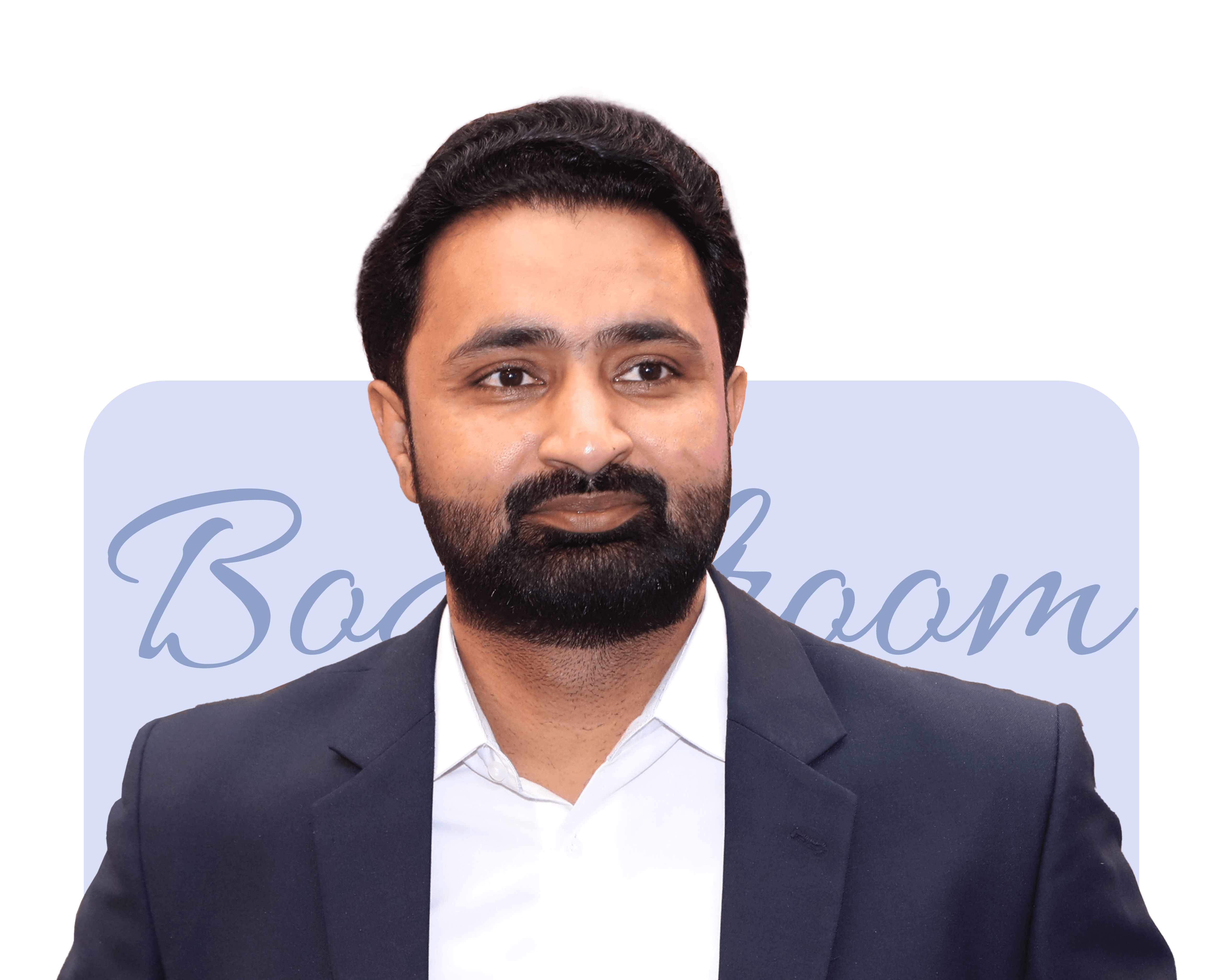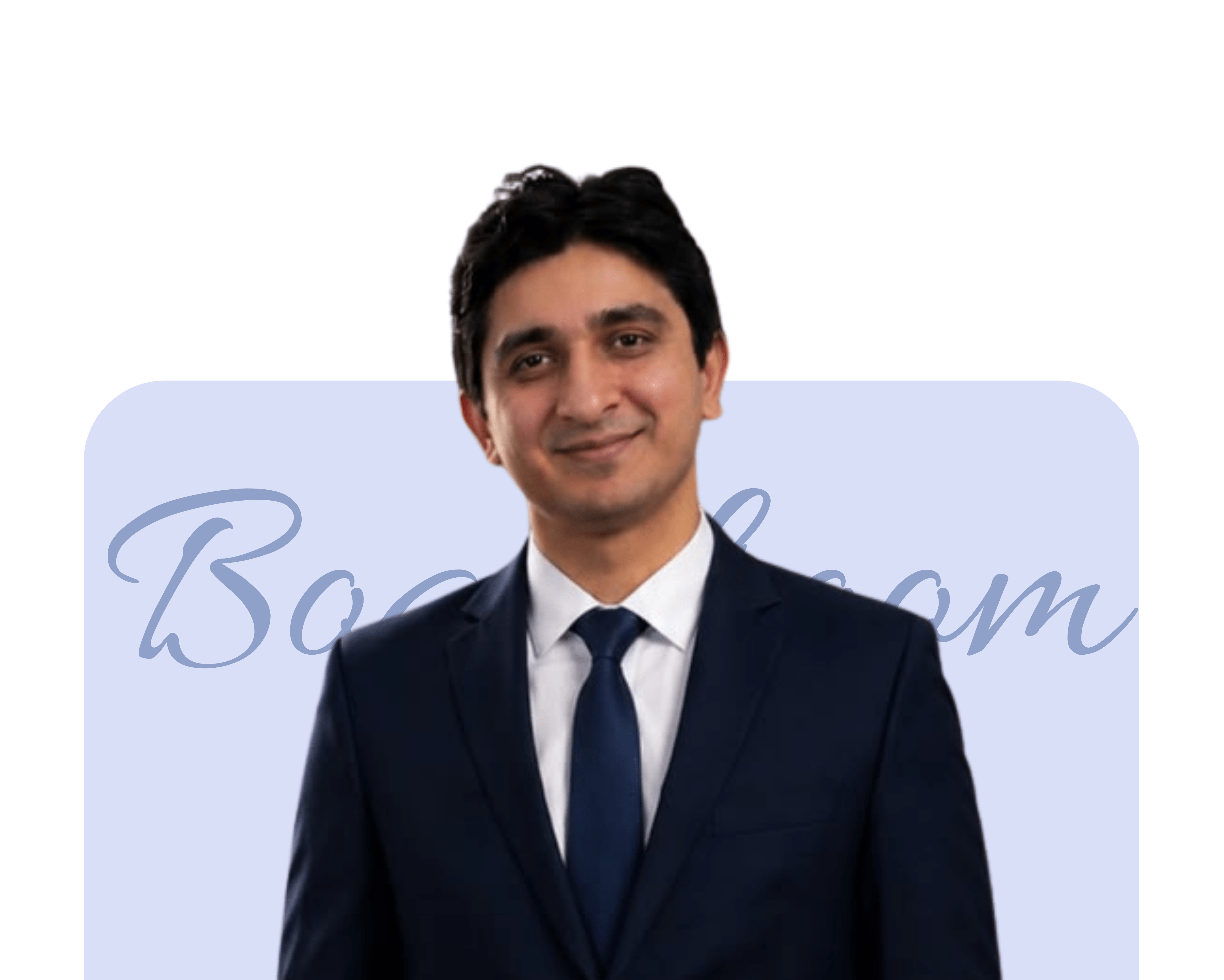
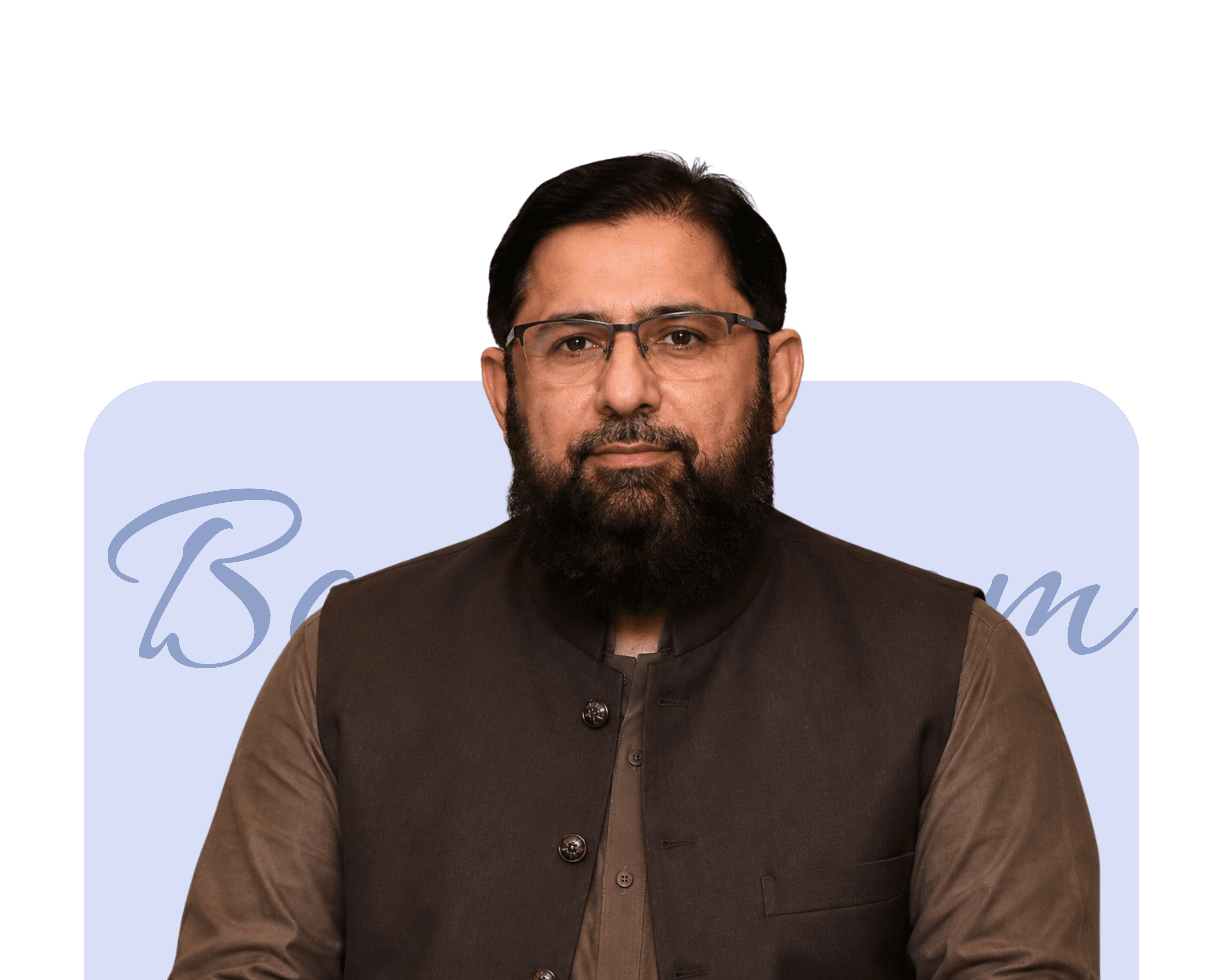
Mir Shoaib Ahmed is the Chief Executive Officer of Diamond Paints, one of Pakistan's leading paint manufacturers. Under his leadership, the company has expanded its product portfolio, strengthened its nationwide presence, and established itself as a market leader through innovation, quality, and customer-focused solutions. He continues the legacy of the company's founder, Mir Allaudin, while driving sustainable growth and industry excellence.
BOARDROOM: What makes your organization distinctive is its implementation of the “Ubudiyah Business Model,” a framework that integrates faith-based values into business operations. During this discussion, what are the origins of this model, its principles, and how it has contributed to the company’s success?
Mir Shoaib: Diamond Paints was founded by my late father, Mir Alaudin, in 1982. After completing my Master of Public Administration (MPA) from the University of the Punjab in 1991, I joined our family business. Following my father's passing in 1996, I assumed greater responsibility for the company at a relatively young age and, by the grace of Allah, helped transform it into one of Pakistan’s most successful businesses.
Approximately twelve years ago, I attended a training program conducted by Sulaiman Ahmed through an organization called Time Lenders. During the session, a quotation attributed to Mark Twain was discussed: “The two most important days in your life are the day you are born and the day you find out why.” This quotation prompted me to reflect deeply on the true purpose behind my work and success.
Although Diamond Paints was already performing well, I began to question whether the sole purpose of business was wealth creation. I asked myself whether my role in life was simply to generate profits and enrich a single family. This search for a deeper purpose led me to re-examine the broader vision of the company and my responsibilities as a businessman, father, son, community member, and servant of Allah.
These reflections eventually inspired the development of the Ubudiyah Business Model. The term “Ubudiyah” is derived from the Arabic word “Abd,” meaning "servant" or "slave." However, Islamic scholars describe it as the willing and conscious servitude of Allah, a commitment embraced through choice, devotion, and submission to His will.
In my view, the model is built upon two fundamental principles. The first is the Quranic teaching that Allah created mankind and jinn to worship Him. Therefore, business should be conducted with a constant awareness of this purpose. Since a business involves hundreds of people, its leaders must create an environment that promotes responsibility, integrity, and a shared desire to seek the pleasure of Allah.
I also believe that religion is not limited to ritual worship alone. While prayer is a deeply personal matter between an individual and Allah, a person’s character, conduct, and dealings with others are equally important. Employees should receive not only professional training but also guidance in ethics, personal development, family relationships, and social conduct. The objective is to help individuals become better Muslims and better human beings.
To support this vision, Diamond Paints developed a comprehensive system. We collaborated with an organization called “Naafey” to review all business documents and contracts for Shariah compliance. This process took nearly four years because of the complexity involved in addressing contracts and business practices that could potentially conflict with Islamic principles. As a result, we established a dedicated Shariah compliance department, supported by five full-time muftis who ensure that our operations remain aligned with Islamic teachings.
I firmly believe that the foundation of this model lies in the intention behind the business. Our objective is not merely profit generation but the creation of value that benefits employees, their families, communities, and society at large. The charitable spending undertaken by the company is viewed as a collective effort, and all employees share in its rewards. By fostering a sense of ownership and partnership in these initiatives, employees become more engaged and committed to the organization’s mission.
Another key principle of the model is based on the prophetic teaching "The best among people are those who benefit others.” I believe that a business must first take care of its own people before it can effectively serve society. Consequently, Diamond Paints places significant emphasis on employee welfare and support.
Over the years, we have dedicated at least ten percent of our resources to initiatives that benefit society. This commitment gradually evolved into structured support programs for our employees. Financial assistance is provided automatically during significant life events, without employees having to request it. For example:
• PKR 100,000 is provided upon the birth of a child.
• PKR 100,000 is provided in the event of the death of an immediate family member.
• PKR 200,000 is provided for marriage-related expenses.
These benefits are available to employees up to the managerial level.
I also emphasize the importance of complying with government regulations. Businesses are obligated to follow labor laws as long as they do not conflict with religious principles. This includes paying the legally mandated minimum wage, providing overtime compensation, and offering benefits such as provident funds and retirement support.
In addition, I strongly advocate the implementation of the Worker Profit Participation Fund (WPPF), through which profitable companies are required to share a portion of their profits with employees. Diamond Paints implements this policy annually.
Overall, the Ubudiyah Business Model seeks to integrate faith, ethical conduct, employee welfare, and social responsibility into the core of business operations. It demonstrates that commercial success and spiritual values can coexist within a single organizational framework, creating sustainable value for employees, society, and all stakeholders.
BOARDROOM: One distinctive aspect of your personality that stands out is your passion for sports. You are a polo player and have competed at a high level, even representing at the national level. My first question is, where did your passion for polo originate?
Mir Shoaib: Horses have always been fascinating animals, and people are naturally drawn to them. As horses were created for riding, there exists a unique and enduring connection between humans and these remarkable creatures.
During my time at the Lahore Polo Club on Jail Road, where polo matches were regularly held, I was encouraged by several friends who actively played the sport to give it a try. That is how my journey in polo began.
What started as a hobby soon evolved into a lifelong passion and continues to be an important part of my life. Alhamdulillah, in 2016, I had the honor of becoming a national polo champion as a member of a four-player championship team. My passion for equestrian sports has also been shared by my family.
BOARDROOM: With the responsibilities of managing a major business and a well-known brand, time management becomes extremely important. How did you balance your professional commitments with your sporting pursuits?
Mir Shoaib: Time management has always been a significant challenge. When I began playing polo regularly, I was working between twelve and fourteen hours a day. At that stage, such long working hours were necessary to support the growth and development of the business.
In order to create time for my personal interests, I focused on building a strong leadership team and empowering my employees. My goal was to ensure that the organization could operate effectively even in my absence. I firmly believe that every individual within an organization should feel valued and be given the opportunity to make meaningful contributions.
To me, empowerment means entrusting people with both responsibility and the authority to make decisions. This approach proved highly beneficial for the company, as it enabled capable leaders to emerge across various departments while strengthening the overall organization. At the same time, it provided me with the flexibility to pursue my passion for polo without compromising the company’s performance and growth.
BOARDROOM: You have always been involved in sports. Was there any particular inspiration behind this interest, or was it simply a personal hobby?
Mir Shoaib: Sports have always been a part of my life. I participated in athletics, squash, badminton, cricket, and ten-pin bowling. It was primarily a hobby and a healthy way to spend time in the evenings.
When we were growing up, there was no social media. People spent their evenings engaging in productive activities and social interactions. Playing sports became a habit for me. If I missed a day, I felt incomplete until I returned to the field the next day. Physical activity is essential; one cannot simply remain inactive all the time.
BOARDROOM: As a family business leader, how do you plan to ensure the continuity of the business for future generations?
Mir Shoaib: Over the years, I have witnessed many successful businesses that collapsed after the founding generation stepped away. Often, family disputes arise, leading to divisions that eventually weaken or destroy the business. Building a business may take forty or fifty years, but it can be damaged very quickly if its foundations are disrupted.
To address this issue, I conducted extensive research and even organized workshops on family business governance. Around a year ago, we engaged a chartered accountancy firm for a six-month consultation process. They identified approximately fifty common causes of disputes in family businesses.
Together with my children, we spent several hours each week discussing these issues and documenting solutions. We established clear procedures for handling potential conflicts and defined responsibilities for each family member. We also prepared succession plans outlining what should happen after my passing.
Additionally, I transferred 45 percent of the company’s shares to my children. Alhamdulillah, both my sons and daughters are actively involved in the business. Each has clearly defined responsibilities—one oversees marketing, while another manages operations. This structure promotes stability and continuity.
BOARDROOM: Diamond Paints is often recognized as Pakistan’s leading paint company in terms of sales. What factors have contributed to this achievement?
Mir Shoaib: One of our greatest strengths is the diversity of our product portfolio. While many people associate paints only with residential interior and exterior applications, we operate across multiple industrial sectors.
For example, we hold approximately 60 percent of Pakistan’s powder coatings market. Powder coatings are used in products such as toys, bicycles, motor bikes, rikshaws, fans, ovens, refrigerators, and various household appliances. We are also leaders in furniture coatings, automotive refinishing, road-marking paints, Epoxy coatings and high-performance industrial coatings.
Our specialized epoxy and polyurethane coatings are used to protect infrastructures against Corrosion for long-term durability. Recently we also launched Glues & adhesives Division and Construction Chemicals Division, further extending our portfolio.
Another significant factor was our response during the COVID-19 pandemic. Despite factory closures and economic uncertainty, we did not lay off a single employee. We continued supporting our workforce, provided Eid bonuses, and launched relief initiatives for our extensive dealer network of over one thousand dealers. We also distributed food supplies to those in need and committed a portion of our earnings to charitable causes.
As a result of these efforts and the trust of our customers, we achieved major sales milestones. We surpassed two billion rupees in monthly sales and later became the first company in the industry to exceed three billion rupees in sales within a single month.
BOARDROOM: In your opinion, what makes Diamond Paints stand out from competitors?
Mir Shoaib: Ultimately, customers value quality. Whether they are painting a home, a machine, or an appliance, they want a product that performs well and lasts for a long time. Price is important, but customers also seek value for money.
If a company can provide equal or superior quality at a competitive price, customers will naturally gravitate toward it. Our journey since 1982, spanning more than four decades, reflects the trust our customers have placed in us.
Behind this trust is a strong commitment to quality and a highly capable team. Every department—from procurement and production to distribution, finance, marketing, and sales—plays a vital role. Organizations succeed because of their people. Buildings, machinery, and inventory alone do not create success; talented and committed individuals do.
BOARDROOM: Many consumers believe that paint quality varies greatly between brands. What advice would you give to customers when selecting paint products?
Mir Shoaib: There are many reputable brands in the market, and I would not suggest that competitors necessarily produce poor-quality products. Several brands offer excellent quality.
However, customers should be cautious about choosing products solely based on the lowest price. Extremely cheap products may compromise quality and durability. If you select a well-established and reputable brand, you are less likely to encounter significant issues.
My late father taught me an important lesson many years ago. He said that expensive products are often more difficult to sell initially, while cheaper products are easier to sell. However, if a premium product delivers excellent quality, customers will continue returning to purchase it. In contrast, low-quality products may attract customers once, but they rarely generate repeat business.
Sustainable success depends on customer satisfaction and repeat purchases. Therefore, my advice is to choose reputable brands, evaluate their performance, and prioritize quality over appearances. Attractive packaging alone is not enough; the true value lies in the product itself.
BOARDROOM: Do you have any structured projects related to the welfare of the staff and the employees?
Mir Shoaib: If any member of our staff has an issue or concern, they are always welcome to approach me directly. I firmly believe that our employees are the foundation of the company, and their dedication, hard work, and commitment are the primary reasons behind our success. Therefore, it is my responsibility to ensure their well-being and provide them with the support they need.
We strongly believe that taking care of our employees and addressing their needs is essential to building a motivated and productive workforce. Their continued dedication and efforts play a vital role in the company's growth, stability, and long-term success.
BOARDROOM: The process of visioning you have gone through by establishing workshops. Can you compare life with vision and without vision?
Mir Shoaib: I believe that having a clear vision is essential in life. Without vision and purpose, it is difficult to find the motivation and direction needed to achieve meaningful goals. In my view, passion and vision go hand in hand; without passion, it is challenging to pursue a larger purpose.
Earlier in my career, my primary focus was on building and managing the business. However, I eventually realized that through business, I could positively impact the lives of many people. This realization gave both me and the organization a greater sense of purpose.
One of my mentors is Syed Babar Ali. A few years ago, I told him that I was approaching the age of sixty and considering retirement. I asked him what continued to motivate him to remain actively involved in his work despite being in his Nineties. He responded with a powerful idea: the true purpose of business is not merely to create wealth for oneself but to create opportunities for others. He asked me how many people were employed in my organization. When I replied, he encouraged me to grow it further and create even more employment opportunities.
That conversation reinforced an important lesson for me: a meaningful vision extends beyond personal success. It is about creating value, serving others, and making a lasting contribution to society. Without such a purpose, I believe there is little that can truly drive a person forward.
BOARDROOM: As a leader, how do you make time for your personal, holistic, emotional, spiritual, and intellectual development? and does reading books play a role in that journey?
Mir Shoaib: In my opinion, there is no better book for guidance and reflection than the Tafseer of the Quran. I believe it should be read repeatedly and contemplated deeply, as it provides the highest source of wisdom and direction. It constantly reminds us that, ultimately, we will all return to Allah and be accountable for our actions. Keeping this reality in mind helps us remain focused on our purpose and responsibilities in life.
In addition to religious study, I have always enjoyed reading a variety of books. Although I have become somewhat less consistent with reading in recent years, one book that I found particularly insightful is Outliers by Malcolm Gladwell. I would highly recommend it. The book discusses the well-known "10,000-hour rule," which suggests that mastery in any field can be achieved through sustained practice and dedication. It is a thought-provoking and worthwhile read and one of the most recent books that left a lasting impression on me.
BOARDROOM: So, are there any other books that you think had a big impact on your life?
Mir Shoaib: One book that has had a profound impact on my thinking is Good to Great by Jim Collins. I have mentioned it many times because the lessons it contains are highly relevant for anyone seeking to build a successful and sustainable organization. The book examines companies that were merely good and explains how they transformed into truly great organizations over a period of fifteen to twenty years.
I read this book many years ago, and over time, my confidence in its principles has only grown stronger. In my view, any organization that consistently follows these principles can achieve remarkable success.
The first principle is having the right people on the bus and the wrong people off the bus. In other words, the people working with you should share a common vision, values, and direction. Without alignment, it becomes difficult for an organization to move forward effectively.
The second principle is focusing on work that you are genuinely good at, that you can perform exceptionally well, and that can generate sustainable profits. Financial success is essential because no business can grow and create opportunities without adequate resources.
The third principle is the appropriate use of technology. Technology should be adopted where it adds value and improves performance, but it should not become an end in itself.
The fourth principle is what Collins calls the “Hedgehog Concept.” He contrasts the hedgehog with the fox. While the fox constantly pursues different opportunities, the hedgehog remains focused on its core strength and survives through consistency. In business, this means maintaining focus on what you do best and resisting the temptation to chase every new trend or opportunity. Whether it is real estate, stocks, or another attractive venture, losing focus can distract an organization from its long-term objectives. Sustained success comes from repeatedly doing the right things and continuously improving them over time.
When an organization has the right people, understands its strengths, generates sustainable profits, uses technology wisely, and remains focused on its core purpose, it builds momentum. Collins refers to this as the “Flywheel Effect,” where consistent effort over time creates extraordinary results and enables good companies to become great ones.
Another important lesson from the book is the concept of Level 5 Leadership. Collins found that the leaders of great companies shared a common characteristic: humility. They accepted responsibility for failures, gave credit for success to their teams, and led with quiet determination rather than personal ambition. Their focus was always on the long-term success of the organization rather than individual recognition.
I believe humility and emotional intelligence are essential qualities for any leader. Understanding people, managing emotions, supporting employees, and helping them build meaningful careers are critical to creating a strong organization. Success cannot be limited to a single individual or family; it must be shared with the people who contribute to it. When employees grow alongside the organization, they develop a genuine sense of belonging and commitment.
For this reason, I do not view Diamond Paints merely as a company. I see it as a family, where people work together, grow together, and share in the organization's success.
BOARDROOM: We have also read that whoever is a good leader also has a mentor with whom he discusses his things and takes inspiration from him and motivation from him. So, in your life, who was your mentor, or who is he?
Mir Shoaib: My greatest influence has been my father. Although he passed away, I was fortunate to spend a significant amount of time with him during my formative years. Whenever I had school vacations, I would accompany him and spend that time learning from him, particularly in the business environment.
The lessons, values, and principles he taught me have had a lasting impact on my life. Even today, there is hardly a day that passes without me recalling or sharing one of his sayings. In many ways, he was the person who shaped my character, influenced my thinking, and laid the foundation for the person I have become.
BOARDROOM: In one of your interviews, you mentioned the importance of networking. You appear to have built a strong network both in your business and personal life. What do you mean by networking, and how have you developed and maintained these relationships over the years?
Mir Shoaib: In my view, networking largely depends on the field in which you work. It involves building relationships with professionals, industry leaders, and individuals who share your interests and objectives. Engaging with such people, learning from them, and collaborating with them can play a significant role in personal and professional growth.
This concept is discussed in The “Tipping Point”, written by Malcolm Gladwell. The book highlights the importance of connections, influence, and relationships in achieving success. I also believe that maintaining a positive reputation and professional presence is essential for building a strong network.
However, if I were to identify one skill that is even more important for the younger generation than networking, it would be time management. We all have the same twenty-four hours in a day, and how we choose to use that time ultimately shapes our future. As the saying goes, your daily habits determine where you will be years from now.
Effective time management requires balancing multiple responsibilities, including worship, family, parents, personal development, and professional commitments. For this reason, I find the concept of the Eisenhower Quadrants, popularized by Stephen Covey, particularly valuable. It encourages individuals to distinguish between what is important and what is merely urgent.
In my experience, those who consistently focus on important tasks rather than simply reacting to urgent matters are more likely to achieve long-term success. Therefore, I believe that mastering time management is one of the most important skills the younger generation can develop.
BOARDROOM: You have a family life, you have a personal life, you have a business life, and you have a social life. This is very difficult, especially in today's time. As you said, the time is 24 hours. What do you do to manage all these things?
Mir Shoaib: I have always kept the concepts of urgency and importance in mind. What I understand from Stephen Covey’s framework is that tasks can be categorized into different quadrants based on their urgency and importance.
There are tasks that are urgent and important, those that are important but not urgent, those that are urgent but not important, and those that are neither urgent nor important. Each category requires a different level of attention and discipline.
In my view, the most challenging area is the quadrant of tasks that are neither urgent nor important. These include leisure activities such as spending time with friends, visiting a café, watching movies, or listening to music. While these activities are enjoyable and necessary in moderation, they should be managed carefully so that they do not interfere with more meaningful responsibilities.
At the same time, it is essential to recognize that important but non-urgent tasks are often neglected. For example, preparing for an examination well in advance is an important task. If one studies consistently over time, success becomes much more achievable. However, if preparation is delayed until the last moment, the task becomes both urgent and stressful, often leading to unnecessary pressure and anxiety.
This is why prioritization is so important. One must consciously manage different roles and responsibilities in life and allocate time to tasks appropriately. In my experience, this approach is not overly complicated; it simply requires discipline, awareness, and consistency in decision-making.
BOARDROOM: Many young people complain about not having resources. And they say that if we have a lot of money, then we will be successful. What do you think the ingredients are for doing a good business? Mir Sahib, what advice would you give to today's youth?
Mir Shoaib: Money does not come immediately; it is a gradual process that requires time for a business to mature and for customers to develop trust and loyalty. However, one must focus on what is within one’s control. Ultimately, risk and outcomes are in the hands of Allah.
In my experience, I have seen many colleagues who are more capable than me, yet their outcomes differ in terms of success and opportunity. This is part of Allah’s distribution of rizq (provision), and every individual has their own path in life. Therefore, we should concentrate on our responsibilities rather than outcomes beyond our control.
In business or service, the first priority is quality. One must remain true to the customer by ensuring that the product or service meets or exceeds expectations. At the same time, attention must be given to both external and internal customers. External customers are those who use the product or service, while internal customers are the employees who contribute to the organization. It is essential to treat employees fairly, provide appropriate remuneration, and ensure that they grow with the organization.
Along with quality and fairness, perseverance and hard work are essential. One should remain committed without being overly concerned about time, and continue to put in the required effort consistently.
Beyond this, prayer and reliance on Allah are fundamental, as all outcomes ultimately rest with Him. I also firmly believe in the importance of parents’ prayers and blessings. In my own life, I have always found strength and guidance through my parents’ prayers, and I consider their support to be one of the greatest blessings in my journey.
By combining hard work, sincerity, prayer, and ethical conduct, one can move forward with confidence and hope for success, InshaAllah.
BOARDROOM: What advice would you give to today's youth?
Mir Shoaib: I believe that the first step is to define the purpose of one’s life clearly. In the same training program I attended, we were asked to envision where we see ourselves after twenty years. When people are asked this question, most tend to focus on material achievements such as bank balances, houses, cars, and financial wealth.
However, it is equally important to reflect on one’s development as a human being. Beyond material success, one should consider questions such as "Have I taken care of my health?" Have I understood the Qur’an and strengthened my relationship with it? Have I become a better servant of Allah, a better son, husband, and father?
Similarly, one should also consider one’s children and family. If one is unmarried, it is still important to think about the kind of family life one aspires to build in the future. In my view, if a clear vision does not include one’s family and relationships, it is difficult to achieve meaningful outcomes in those areas.
The foundation of this approach is living a purposeful life. Livelihood is ultimately in the hands of Allah; it requires effort and prayer, but the results are determined by Him. Alongside this, effective time management is essential, as our time in this world is limited and uncertain.
We all have different roles in life, including that of a businessman, employee, or family member. In each role, it is important to understand our responsibilities and perform them with sincerity and discipline. When our time in this world comes to an end, the goal should be to return to Allah as responsible and righteous servants.
For more information visit:
https://www.diamondpaints.com