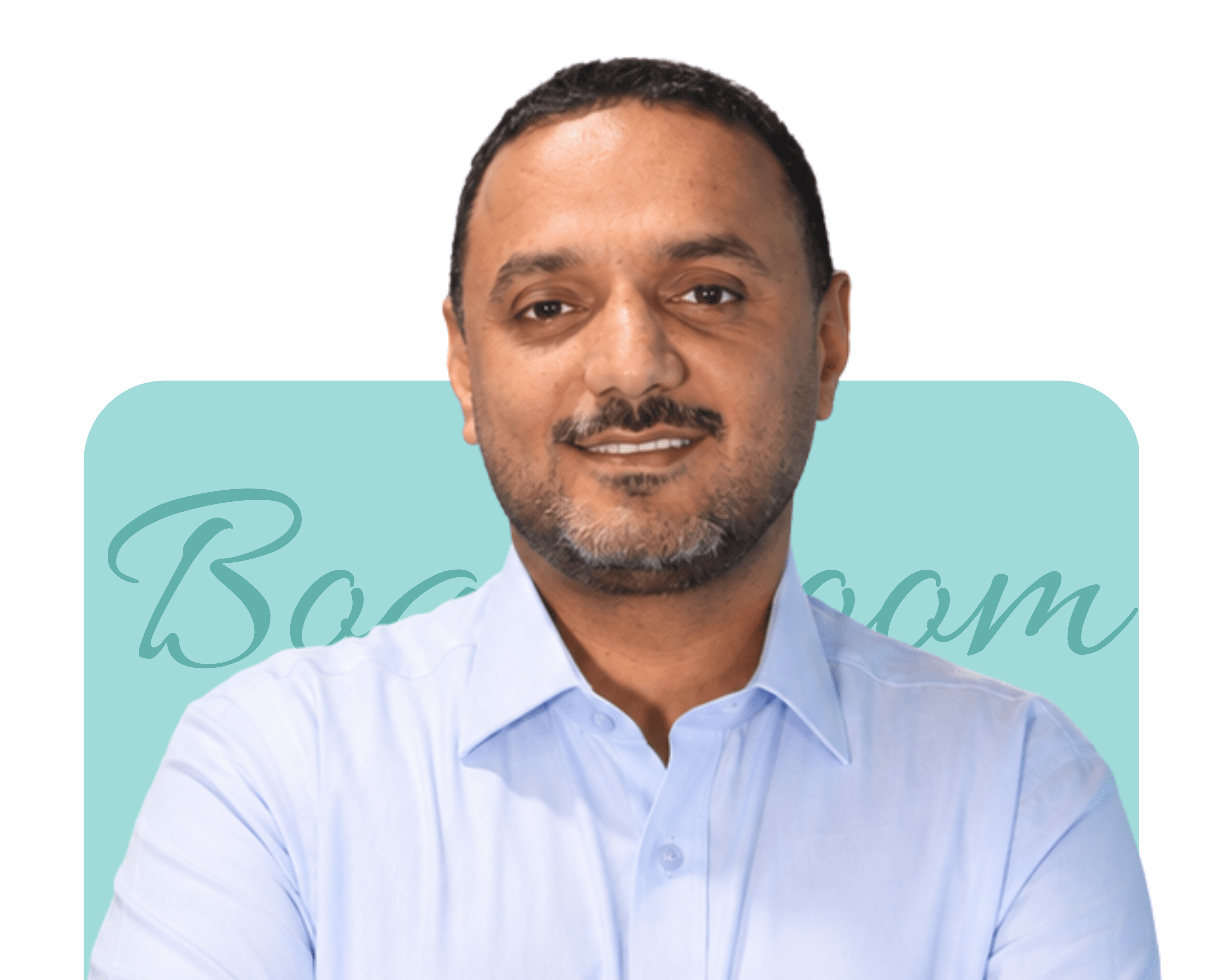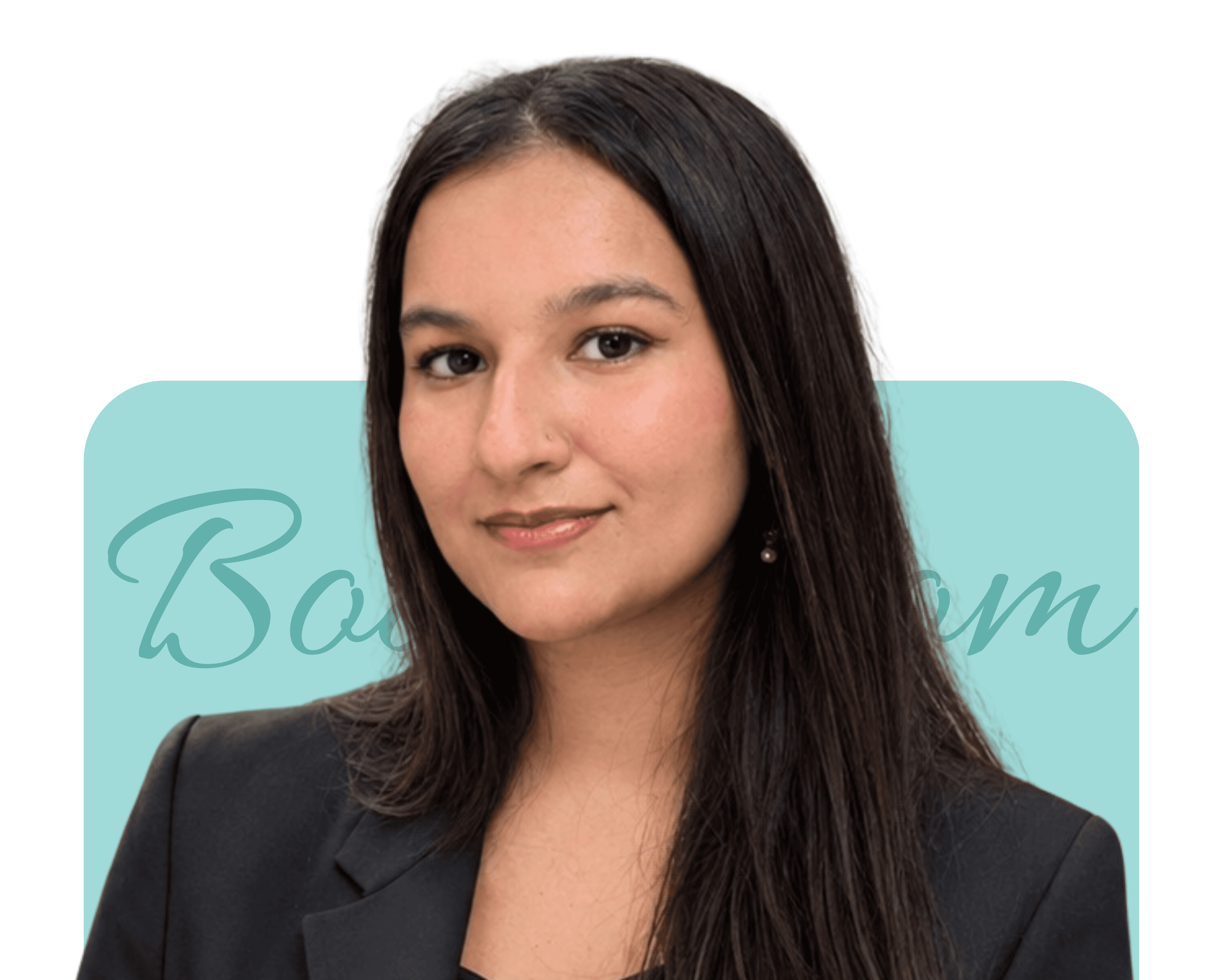

Muhammad Ahtesham shares the founder journey behind Acquidate and his vision for building a more transparent, secure and globally connected digital asset ecosystem. From earning customer trust and building scalable systems to leveraging AI, automation and technology, he discusses what it takes to transform an innovative idea into a sustainable business — and why Pakistani startups must think globally from day one.
Boardroom: What inspired you to launch Acquidate.com, and what specific problem did you identify in the market that convinced you this startup needed to exist?
Muhammad Ahtesham: The idea came from seeing a clear gap in the digital commerce market. Entrepreneurs were buying and selling online businesses, accounts, and digital assets, but there was often a lack of trust, proper verification, and a structured way to complete these transactions. I started Acquidate to bring more transparency, security, and professionalism to this process and make digital assets easier to acquire, build, and sell.
Boardroom: What was the biggest challenge you faced when transforming your initial idea into a functioning startup, and how did you overcome it?
Muhammad Ahtesham: The biggest challenge was building trust from both sides of the market. In digital transactions, buyers worry about authenticity while sellers worry about payment and security. We overcame this by focusing on relationships, verification, clear processes, and delivering on smaller transactions first. Over time, consistent execution helped us build a strong community and reputation.
Boardroom: As a founder, how did your role evolve from simply building the idea to leading a business, managing people, making strategic decisions, and creating a sustainable company?
Muhammad Ahtesham: Initially, I was involved in almost everything myself — sourcing opportunities, speaking with customers, managing transactions, and solving problems. As Acquidate grew, my role shifted from doing everything personally to building systems, developing a team, making strategic decisions, and focusing on the long-term direction of the company. I learned that building a sustainable company requires building people and processes, not just a product.
Boardroom: What makes Acquidate.com different from existing solutions in the market, and what is your unique value proposition for customers?
Muhammad Ahtesham: Our biggest difference is that we focus on the complete digital asset journey rather than just one service. We help entrepreneurs discover, acquire, transact, and build digital commerce assets while providing verification, transaction support, and access to a trusted network. Our value proposition is simple: making digital asset transactions more accessible, structured, and trustworthy.
Boardroom: How do you validate customer needs and ensure that Acquidate continues to solve a real problem rather than simply following technology or market trends?
Muhammad Ahtesham: We stay very close to our customers. A large part of our learning comes directly from conversations, transactions, repeated requests, and the problems entrepreneurs face in the market. If we see the same problem repeatedly, we look for a way to solve it systematically. For me, real customer demand is more important than simply following a trend.
Boardroom: In today's competitive startup ecosystem, how important are technology, data, automation, and AI in helping a young company build a competitive advantage?
Muhammad Ahtesham: They are extremely important, but I believe technology should support the business rather than become the business itself. We are increasingly looking at automation, data, and AI to improve sourcing, verification, operations, customer experience, and decision-making. The real advantage comes from combining technology with market knowledge, strong relationships, and execution.
Boardroom: What has been your most important lesson about acquiring customers, building trust, and converting an innovative idea into a commercially viable business?
Muhammad Ahtesham: My biggest lesson is that trust is the foundation of everything. You can have a great idea, but customers will not do business with you until they believe you will deliver and protect their interests. We focused on building relationships and delivering consistently, and that gradually turned individual transactions into long-term customers and a strong community.
Boardroom: What are the key metrics or milestones you consider when deciding whether Acquidate is ready for its next stage of growth?
Muhammad Ahtesham: I look beyond revenue alone. We consider transaction volume, repeat customers, community growth, customer satisfaction, operational efficiency, and the strength of our supply and demand network. The most important question is whether we can grow without compromising the trust and quality that helped us build Acquidate in the first place.
Boardroom: What strategies are you adopting to scale Acquidate.com beyond its current market and compete at an international level?
Muhammad Ahtesham: Our focus is to build Acquidate as a globally accessible digital asset ecosystem rather than limiting it to one market. We are expanding our network of buyers, sellers, and strategic partners across different countries while strengthening our technology, verification processes, and transaction infrastructure. The long-term goal is to make Acquidate a trusted platform for digital entrepreneurs internationally.
Boardroom: From your experience as a Pakistani startup founder, what are the biggest opportunities and challenges for entrepreneurs building technology-driven businesses in Pakistan?
Muhammad Ahtesham: Pakistan has a huge opportunity because we have a young, talented, and increasingly digital population, along with access to a global market. The biggest challenges are access to capital, regulatory uncertainty, payment infrastructure, and sometimes limited exposure to international markets. However, I believe Pakistani founders can build globally competitive companies if they focus on solving real problems rather than building only for the local market.
Boardroom: What changes in investment, mentorship, regulation, talent development, and entrepreneurial culture would help Pakistani startups become globally competitive?
Muhammad Ahtesham: We need better access to early-stage capital, stronger mentorship from people with international experience, clearer regulations for technology businesses, and more practical entrepreneurship education. Most importantly, we need a culture that encourages founders to think globally from day one. Pakistan has the talent; the next step is creating an ecosystem that allows that talent to scale internationally.